
Peechi Wildlife Survey Finds 36 New Species in Kerala
A four-day wildlife survey across Kerala's Peechi division documented 395 species of birds, butterflies, and dragonflies, adding 36 new regional records.
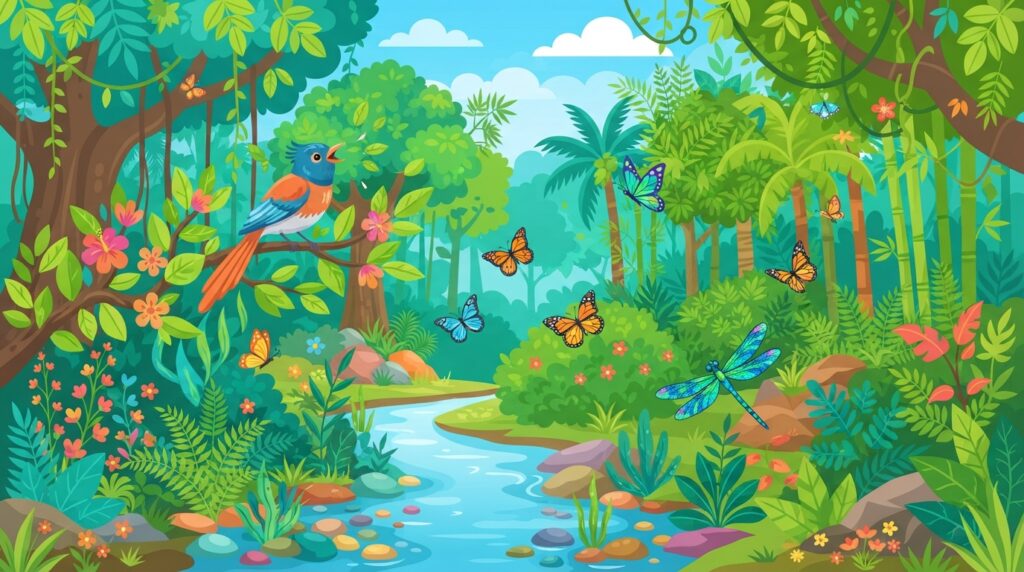
Imagine pitching a tent under tall trees to count every soaring bird, fluttering butterfly, and sparkling dragonfly. That is exactly what a team of nature scientists did during a major Peechi wildlife survey in Kerala. Between 8 October and 11 October 2026, researchers explored deep inside forest lands, sharing their exciting discoveries with the world on 17–18 October 2026.
The great outdoor study was jointly organised by the Kerala Forest and Wildlife Department alongside researchers from the Travancore Nature History Society (TNHS), based in Thiruvananthapuram. Working together across three green sanctuaries, the teams proved that these protected woods are packed with vibrant wildlife, finding dozens of creatures never recorded there before!
What happened?
Field teams operated from 10 designated base camps set up across three protected areas: Chimmony Wildlife Sanctuary, Peechi–Vazhani Wildlife Sanctuary, and Chulannur Peafowl Sanctuary. Led by Peechi Wildlife Warden M. K. Ranjita, along with Dr. Kalesh Sadasivan and Anila V. M. from TNHS, the observers kept their eyes peeled for creatures great and small.
Altogether, the scientists documented 395 species of birds, butterflies, and odonates (which is the scientific name for dragonflies and damselflies). Excitingly, 36 of these species were brand-new additions that had been completely missing from earlier local checklists!
Bird watchers had a thrilling time spotting 165 species of birds. This list included eight new records for the area, such as the Malabar Lark, the tall Purple Heron, the Siberian Stonechat, and the bright Eastern Yellow Wagtail.
Butterfly watchers catalogued 174 species, contributing 22 new entries to the region’s official wildlife records. Among the flitting insects were the Sahyadri Plain Puffin and the Common Map butterfly. Meanwhile, experts studying dragonflies and damselflies logged 56 odonate species, adding six new records including the sparkling Indian Emerald and the Kodagu Clubtail.
The explorers also celebrated 24 special species that are endemic to the Western Ghats, meaning they live naturally nowhere else in the world. These unique treasures included the Malabar Banded Peacock butterfly and the Travancore Bambootail damselfly. The teams also logged 52 species of moths, 22 types of ants, five cicadas, and about 30 spider varieties, alongside clear evidence of tigers, leopards, Asian elephants, and gaurs living safely in the forest.
Why does it matter to you?
India’s forests are full of marvellous wonders, and this survey proves that there are always new secrets waiting to be uncovered by curious nature lovers. Even in areas that scientists have visited for decades, careful watching can reveal animals that were never noticed before.
It also reminds us why saving forests like the Western Ghats is so important. When wild sanctuaries stay safe and undisturbed, everything from giant elephants down to the smallest damselfly can thrive together in peace.
Words to know
- Biodiversity: the wonderful variety of all living plants, animals, and insects in a habitat.
- Odonates: the family of insects that includes dragonflies and damselflies.
- Endemic: an animal or plant that lives naturally only in one specific region on Earth.
- Checklist: an official list kept by scientists of all the animal species recorded in a sanctuary.
Did you know?
The Western Ghats is one of the world’s most special biodiversity hotspots, providing a home to rare creatures found nowhere else on the planet, such as the Malabar Banded Peacock butterfly!
Think about it
If you were given a pair of binoculars and sent into a sanctuary, which creature would you want to find first? How can schools and families help protect the wild habitats where these animals live?
Quick quiz
How many new species were added to the regional checklists during the Peechi wildlife survey?
- 12
- 36
- 165
See the answer
36
Sources
This story was prepared by the Kids Gazette news desk with the help of AI research and writing tools, using the sources listed above.