Nagaland Crafts Exhibition Celebrates Living Heritage
A special exhibition in Chümoukedima celebrated traditional Naga handlooms, textiles, and basketry, helping keep precious community heritage alive.
Chümoukedima in Nagaland was filled with colour and creative energy on 6 November 2026. Artists, cultural leaders, and community members gathered at the Heirloom Naga Centre to take part in the nagaland crafts exhibition and symposium titled ‘Living Heritage of Nagaland’.
This inspiring event was organised by the cultural organisation Contact Base together with the Heirloom Naga Centre. Supported by the German Consulate General Kolkata through the Cultural Preservation Program of the German Federal Foreign Office, the gathering is part of a year-long project focused on documenting and safeguarding the intangible cultural heritage of indigenous Naga communities.
What happened?
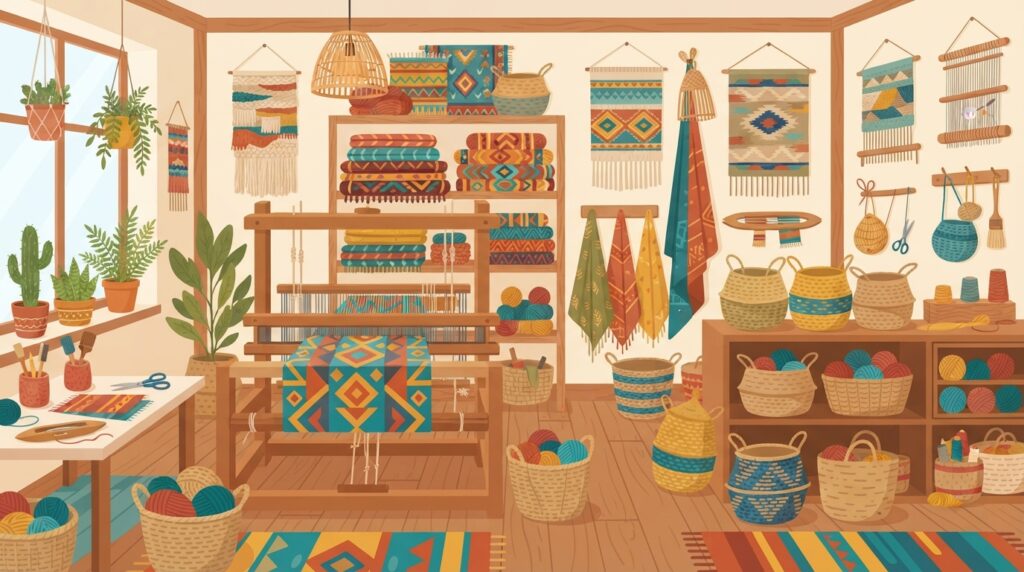
Visitors at the exhibition explored a wonderful collection of handcrafted works. The display featured traditional handlooms, indigenous textiles, and clever new designs in basketry woven from natural fibres. These creations showed how heritage skills can stay fresh and modern while honouring long-held customs.
The day began with a warm welcome address from Jesmina Zeliang, the founder of Heirloom Naga. After that, Hekani Jakhalu, Advisor to the Nagaland Department of Industries and Commerce, spoke to the audience about creative entrepreneurs. She explained how heritage handcraft skills can help local people build sustainable livelihoods.
Y Lipongse Thongtsar, the Managing Director of the Nagaland Handloom and Handicrafts Development Corporation (NHHDC), also shared an important message. He stressed the need to carefully record and document traditional attires, motifs, and ornaments that represent each of the 18 tribes of Nagaland.
A special panel discussion titled ‘Living Heritage, Innovation and Market’ brought several craft leaders together. Moderated by Madhura Dutta, the panel featured Aku Zeliang of Urra Designs, Bamki Kevichusa of Windfall, and Neigneithem Hengna of Runway Nagaland. To bring the formal gathering to a close, Nirmalya Roy of Contact Base delivered a vote of thanks.
This celebration is part of an ongoing journey. The wider safeguarding programme actively works alongside schools, community groups, and cultural bodies across six districts: Mokokchung, Kohima, Phek, Mon, Chümoukedima, and Dimapur.
Why does it matter to you?
Have you ever watched an elder weave, knit, or carve something by hand? Traditional skills like weaving cloth or shaping bamboo baskets are living stories passed down from grandparents to grandchildren over centuries.
Events like this show that ancient craft techniques are not old-fashioned relics meant only for quiet museum rooms. They are living, breathing art forms that allow people to express who they are and earn a living today. Learning about indigenous traditions across India helps us appreciate the wonderful diversity of our country.
Words to know
- Indigenous: belonging naturally to a particular place or community from early times.
- Intangible cultural heritage: traditions, crafts, and skills passed down through generations that cannot be held like a building, but are lived and practised.
- Handloom: a wooden frame or loom worked by hand to weave threads into cloth.
- Motif: a special decorative design or pattern that repeats in artwork or textiles.
- Livelihood: the work or means by which a person earns money to secure food, shelter, and life essentials.
Did you know?
Nagaland is home to 18 distinct tribes, and each one has its own special attires, patterns, and ornaments that tell unique stories about its history and identity!
Think about it
What is a special craft, song, or recipe in your family or town that you would like to keep alive for the future? If you were asked to design a modern object using natural bamboo or handloom cloth, what would you make?
Quick quiz
Across how many districts in Nagaland is the safeguarding project actively working with schools and communities?
- Three districts
- Six districts
- Twelve districts
See the answer
Six districts
Sources
This story was prepared by the Kids Gazette news desk with the help of AI research and writing tools, using the sources listed above.