The UKG Mindset Revolution: How Young Minds Are Changing and What Parents Must Do to Prepare for Class 1- By Mrs Ujwalla Khobragade, Class Teacher UKG
The academic landscape for young learners in India is transforming at an unprecedented pace. As children in UKG (Upper Kindergarten) prepare to transition to Class 1, their mindset, behaviors, and readiness reflect new influences that were unimaginable only a generation ago. Today’s five- and six-year-olds are navigating a world rich in digital content, evolving societal expectations, and attentive parenting. It’s crucial for both teachers and parents to understand this shift so that children can thrive as they move to primary school.
This comprehensive analysis delves into the psychological, emotional, physical, and social factors shaping UKG children today, weaving in practical insights, real-life examples, and evidence-based advice for parents eager to facilitate a smooth transition for their little ones.
1. The Changing Mindset of UKG Children
Contemporary UKG classrooms bear little resemblance to those of the past. Today’s children display a **growth mindset**—an eagerness to learn, explore, and experiment that goes beyond the rote memorization of previous decades.
Key Observations:
(a) Increased Self-Awareness: Children openly share preferences and opinions. For instance, a child might say, I love drawing with red because it’s bright like the sun, showing not only creativity but also emotional expression.
(b) Resilience and Optimism: Instead of, “I can’t,” we now hear, I’ll try again tomorrow. Persistent encouragement nurtures this attitude, both in classrooms and at home.
(c) Cooperative Learning: Play and group projects are central. Children learn to share materials, co-create stories, and support each other—a foundation for healthy peer relationships in primary school.
2. Emotional and Psychological Growth
Ages 4 to 6 mark a period of significant emotional and psychological change. Research in child development consistently highlights that these years are defining for:
(a) Emotion Recognition and Expression: UKG students become adept at explaining when they’re happy, sad, worried, or excited. Open classroom discussions about feelings foster empathy and validation.
(b) Developing Empathy: Role-play and collaborative tasks teach children to consider others’ feelings, helping reduce conflicts and encourage friendship.
(c) Self-Regulation: Younger children may struggle with tantrums, but UKG students begin to use words to describe frustrations and seek help appropriately.
(d) Establishing Identity: This is my favorite story, or I did this myself!—statements like these reflect a growing sense of self and pride in achievements.
Expert View:
Shelter, encouragement, and reassurance create emotionally resilient children, who, research shows, adapt more seamlessly to the larger Class 1 environment and fare better academically. Children who experience supportive emotional climates at home show fewer adjustment and behavioral problems.
3. The Medical and Physical Foundation
Sound physical health underpins all learning. Families and teachers need to pay careful attention to:
(a) Nutrition: Nutrient-rich diets fuel attention, energy, and growth. Parents should prioritize regular, balanced meals and avoid excessive sugar or junk food.
(b) Motor Skills: Writing, drawing, buttoning clothes, and using scissors are important for developing the fine motor control necessary for primary grades.
(c) Preventive Health: Screenings for vision, hearing, and growth help detect concerns early. Regular immunizations, as per pediatric guidance, remain vital.
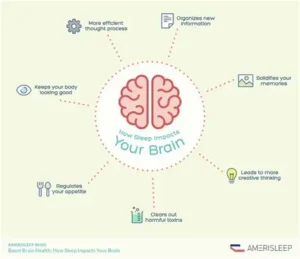
(d) Sleep: UKG children need 10-12 hours of sleep nightly. Well-rested kids show better memory, attention, and mood stability.
In practice:
I often advise parents to observe their child for fatigue, irritability, or frequent illness—these can be signs of underlying health needs that warrant a doctor’s attention before formal schooling begins.
4. Preparing for Class 1: The Parental Role
Parents are the key architects of their child’s school readiness. Here is what you can do:
(a) Foster Independence
Encourage your child to dress, eat, and pack independently. Small, daily tasks—like tying shoelaces or setting out their uniform—instill confidence and teach responsibility.
(b) Build Academic Readiness
(1) Literacy: Read aloud daily. Let children “read” pictures and retell stories in their own words. Encourage them to write their name and identify familiar letters and sounds.
(2) Numeracy: Use everyday objects for counting, sorting, and recognizing patterns. Games such as “How many steps to the door?” make learning natural and fun.
(3) Persistence: Celebrate effort as much as achievement. “You tried so hard to finish that puzzle!” builds resilience and willingness to face challenges.
(c) Promote Social and Emotional Skills
(1) Discuss Feelings: Have open conversations about excitement and nervousness around starting Class 1.
(2) Practice School Routines: Role-play saying goodbye at the school gate or asking a teacher for help.
(3) Short and Cheerful Goodbyes: On school mornings, keep partings upbeat to build assurance and minimize separation anxiety.
(d) Familiarize with the New Environment
Visit the school before the first day, tour the classroom, playground, and, if possible, meet the Class 1 teacher. Familiar sights and faces can ease adjustment anxieties.
(e) Celebrate Achievements
Genuine praise lifts motivation. Recognize accomplishments—large and small—and nurture joy in new experiences.
5. Case Studies and Classroom Insights
Example 1:
At our Ballarpur school, introducing a daily “thought for the day” transformed classroom attitudes. Over a short period, teachers observed children becoming more optimistic and willing to support peers facing challenges.
Example 2:
When parents practiced brief, positive goodbyes at the classroom door, children transitioned more quickly and comfortably into school activities with fewer tears.
Example 3:
Group storytelling sessions helped quieter children gain confidence in expressing themselves, making friends, and participating in class discussions.
6. Key Facts and Figures
(a) Emotional Security: Children with strong emotional foundations are about one-third more likely to excel in their early school years.
(b) Health Matters: More than one-fourth of attention issues in new Class 1 learners link back to undiagnosed eyesight or hearing problems.
(c) Routines Promote Adaptation: Children who follow predictable routines at home settle into new school schedules more quickly.
(d) Socioeconomic Impact: Household stability and supportive environments help children overcome early disadvantages and succeed academically.
7. Psychological Theories: Understanding the UKG Mindset
Erik Erikson’s theory emphasizes that children aged 4-7 are eager for autonomy and initiative. They want to try new activities, lead small groups, and make choices. When parents and teachers allow safe decision-making, children become resourceful and confident. Overly restrictive environments, on the other hand, can instill doubt or fear.
8. Practical Checklist for Parents
Below are essential steps parents can take to prepare their children for Class 1:
(a) Talk about Feelings: Normalize a range of emotions about school and provide reassurance.
(b) Role-Play: Practice common school scenarios such as asking to use the washroom or introducing oneself to classmates.
(c) Encourage Reading and Numeracy: Engage in shared reading, explore simple number games, and use educational toys or household items for learning.
(d)Promote Independence: Assign small daily tasks and let your child take pride in doing things on their own.
(e) Establish Healthy Routines: Set regular bedtimes and meal schedules. Limit screen time and encourage outdoor play.
(f) Visit the School: Attend orientation events or arrange informal visits to the campus.
(g) Celebrate Progress: Offer sincere praise for both effort and achievement; create a positive anticipation for the new class.
9. Wider Community and Social Context
Education today is about more than academics. Ballarpur, like many growing communities, is seeing increased parental involvement and rising diversity in classrooms. As parents, teachers, and health professionals work together, we can ensure all children—regardless of background—get the support they need.
This includes early identification of special needs, access to counseling or therapies, and ensuring no child lags behind for medical or emotional reasons.
Conclusion
The journey from UKG to Class 1 is a significant leap, encompassing not just academic advancement, but the profound growth of a child’s character, confidence, and worldview. By focusing on emotional wellbeing, encouraging independence, maintaining health, and supporting curiosity, parents lay the strongest foundation for a life-long learner.
As a UKG teacher, I see daily how thoughtful preparation transforms anxiety into excitement. By working together, we can help every child greet Class 1 not just with readiness, but with joy and resilience. Let’s nurture the next generation with both roots of security and wings of possibility.