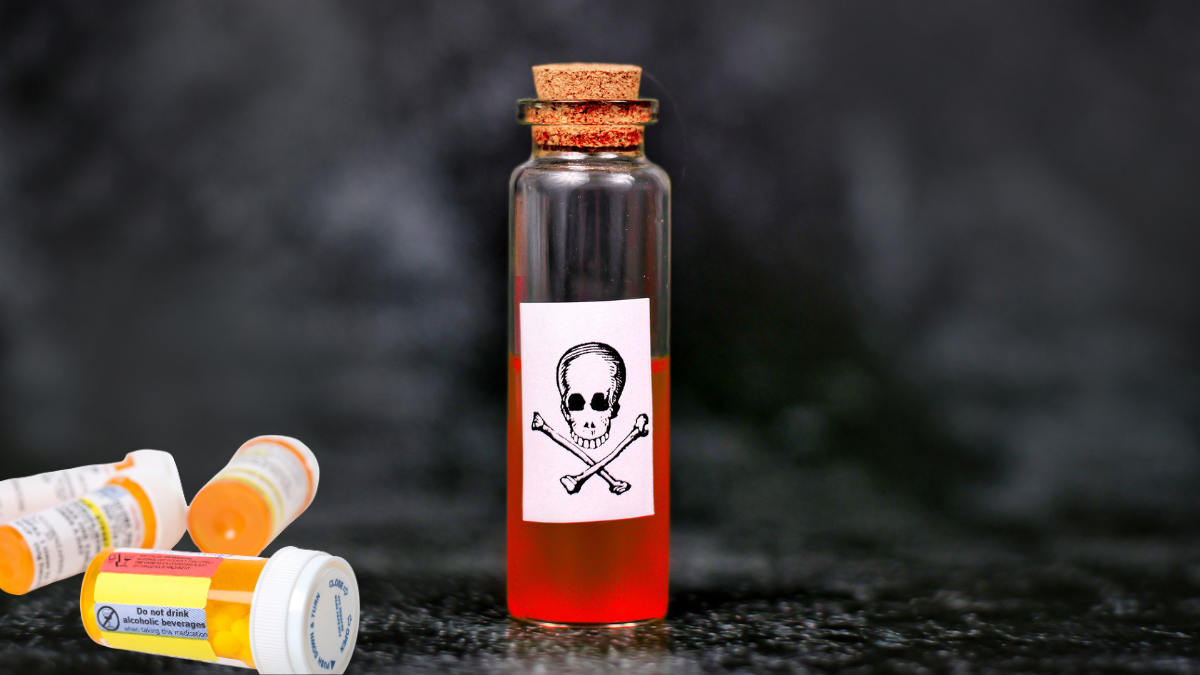
Health authorities across the world are once again on high alert after several cough syrup brands were linked to the deaths of children in multiple countries. The World Health Organization (WHO), in collaboration with Indian drug regulators and international laboratories, has launched a new investigation into the quality and export safety of certain syrups suspected of containing toxic chemicals.
The controversy first emerged when health ministries in Uzbekistan, The Gambia, and Cameroon reported clusters of child deaths following the use of over-the-counter cough syrups. Early lab results detected traces of diethylene glycol (DEG) and ethylene glycol (EG) — industrial solvents used in brake fluid and antifreeze. These chemicals are deadly even in small amounts and can cause kidney failure, seizures, and brain damage.
According to the WHO, at least 300 children under the age of five have died worldwide since 2022 due to contaminated cough syrups. Many victims were from families who relied on affordable over-the-counter medicines. “These were preventable deaths,” said Dr. Tedros Adhanom Ghebreyesus, WHO Director-General. “No parent should lose a child because of a medicine meant to heal.”
The WHO issued a global medical alert urging all countries to increase testing and tighten import checks for pediatric syrups. India’s Central Drugs Standard Control Organization (CDSCO) has confirmed that it is cooperating with the international investigation and re-testing exported drug batches from certain manufacturers. While the agency has not released names publicly, several factories across Haryana and Uttarakhand are under inspection.
Health officials say the problem stems from poor-quality control and use of substandard raw materials. Manufacturers sometimes source cheaper solvents for drug preparation, assuming that purification will remove toxins. But when safety tests are skipped or falsified, dangerous residues remain. “It’s a failure not just of production, but of responsibility,” said Dr. Kavita Mehra, a pharmaceutical toxicologist based in Delhi. “Every step — from chemical sourcing to labeling — must be verified when children’s lives are at stake.”
Parents in the affected regions described the same heartbreaking pattern: mild cough or fever treated with syrup, followed by vomiting, difficulty urinating, and eventual kidney failure. In most cases, the symptoms appeared within days. Doctors later confirmed toxic poisoning consistent with glycol ingestion.
India, often called the “pharmacy of the world,” supplies nearly 20 percent of global generic medicines, including large volumes of pediatric formulations. While most Indian medicines meet international standards, a few isolated lapses have damaged the country’s pharmaceutical reputation. In response, the Indian government has ordered nationwide inspections of small and mid-sized drug manufacturers, focusing on pediatric syrups.
The Health Ministry of India released a statement emphasizing that “ensuring medicine safety remains a top national priority.” Officials have directed state regulators to conduct random sampling and mandatory lab testing of all exported cough syrups. Companies found violating standards face license suspension and criminal prosecution.
The crisis has also reignited debate over the lack of consistent global regulation for over-the-counter medicines. Many developing countries import syrups without testing them locally, relying solely on supplier certificates. “A certificate on paper is not a guarantee of safety,” said Dr. Aisha Conteh, a public health expert from The Gambia. “Every country must build its own capacity to test what enters its borders.”
The WHO has recommended that all member nations adopt the “Medical Product Alert” framework, which includes real-time tracking of suspicious batches, barcode traceability, and stricter penalties for falsified medicines. It is also urging governments to make test results public to prevent misinformation.
For parents and schools, this tragedy is a harsh reminder that even everyday medicines require vigilance. Doctors now advise families to buy syrups only from reputable pharmacies, check expiry dates, and avoid products without clear manufacturer details. Pediatricians also encourage non-drug remedies like steam inhalation and honey (for children over one year old) for mild coughs.
In the wake of these incidents, many schools across India and Africa have started awareness programs on medicine safety for parents and teachers. Posters explaining the dangers of counterfeit drugs now hang in classrooms and health centers. The goal, educators say, is to help families understand that trust in medicine must go hand in hand with awareness.
Pharmaceutical experts believe these cases could transform how children’s medicines are made and sold. Some companies are now investing in automated safety sensors that detect impurities before packaging. Others are introducing QR codes on bottles that allow buyers to scan and verify batch authenticity instantly.
Still, the human cost is immense. In The Gambia, 70 grieving families have joined to form an organization called Justice for Our Children, demanding accountability from manufacturers and regulators alike. Their message, shared widely on social media, reads simply: “No medicine should kill.”
Indian health advocates are urging schools, pediatricians, and parent groups to take part in drug safety education drives. “Children learn about germs and nutrition,” says Dr. Mehra. “They should also learn that medicines are powerful tools that must be respected. Teaching awareness can save lives.”
WHO officials stress that the issue isn’t limited to one country or company. “This is a wake-up call for the entire global drug supply chain,” said Dr. Tedros. “It only takes one bad batch to cause a tragedy.”
The investigations continue as more samples from across Asia and Africa undergo testing. For now, regulators are tightening the net — inspecting factories, sealing suspicious stock, and reviewing export protocols.
The larger goal, experts say, must be rebuilding public trust. Medicines, after all, are supposed to symbolize healing. The death of a child from a spoonful of syrup should never happen again — and if the world acts swiftly and sincerely, it never will.