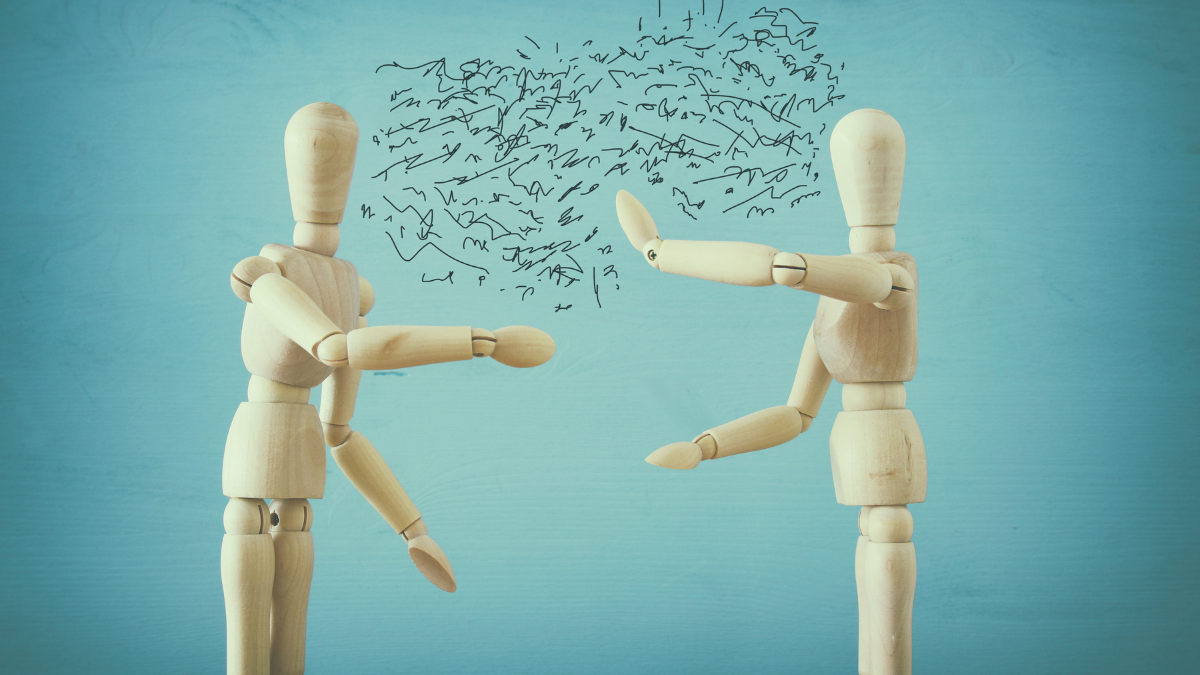
In classrooms, playgrounds, and even school buses, teachers are noticing a disturbing change. Children — some as young as eight — are casually using words once unheard of in their age group. From slang borrowed from viral videos to harsh language copied from gaming chats, a quiet crisis is unfolding. A growing number of children in India are absorbing abusive language from online content, repeating it without understanding its meaning or impact.
Educators across cities like Dehradun, Pune, Bengaluru, and Delhi say the problem has grown rapidly in the past two years. “We often hear students using harsh or offensive words as if they are part of normal talk,” said teacher Anjali Sharma from a Delhi-based school. “When we ask where they heard it, the answer is usually a YouTube channel, reel, or online game.”
A recent study by the National Institute of Mental Health and Neurosciences (NIMHANS) and Child Rights Network India (CRNI) supports this observation. It found that nearly 68% of children aged 8–14 who regularly consume unfiltered online content have used or repeated abusive language at least once in the past six months. The words are often picked up from streamers, vloggers, or social media influencers who use provocative speech to sound “cool” or attract followers.
“Children mimic what they hear online the way they used to copy movie heroes,” explained Dr. Rupa Iyer, a child psychologist at NIMHANS. “But unlike movies, digital content is unfiltered and constant. There’s no pause or parent sitting next to them. The brain starts normalizing what it hears most.”
The trend cuts across social and regional lines. Even students from smaller towns, where access to global media is new, are copying language they don’t fully grasp. “In my school in Nagpur, students started using curse words they heard from gaming streams,” said Principal Kiran Deshpande. “They think it sounds confident. They don’t know it’s disrespectful.”
Many of these words come from online gaming platforms like PUBG, Free Fire, and Fortnite, where players communicate in fast, emotional bursts. Competitive play often leads to anger and taunts. Young players, hearing constant shouting or insults, begin to see it as normal social interaction. “Online games are the new playgrounds,” said digital behavior expert Ritesh Agarwal. “But unlike real playgrounds, there’s no teacher or elder to correct bad behavior.”
Parents, too, are worried — and confused. “My 10-year-old son called his friend a slang term he heard on YouTube,” said Rashmi Verma, a parent from Gurugram. “When I scolded him, he didn’t even know it was wrong. He thought it meant ‘funny’ because the streamer used it while laughing.”
Psychologists say this misunderstanding is part of the danger. Online influencers often blur the line between humor and aggression. Children imitate tone before understanding meaning. Over time, this erodes empathy and politeness. “Abusive words are emotional shortcuts,” Dr. Iyer explained. “They replace real communication with quick anger. That can affect how children handle frustration later in life.”
Schools are beginning to act. Many institutions have introduced “Digital Manners” sessions during morning assemblies or life skills classes. Teachers use real examples from popular platforms to show students how online language can harm others. “We don’t punish first,” said Principal Sunita Mehta from Jaipur. “We explain how words have weight. Once children realize that, they correct themselves.”
Some schools are involving parents in the process. Workshops on digital parenting teach families how to monitor content without invading privacy. Experts suggest using family accounts, content filters, and scheduled screen breaks. But the most powerful tool, they say, is conversation. “When children describe what they watched, parents can gently explain which words are rude and why,” said education counselor Neha Kulkarni.
The Ministry of Women and Child Development (MWCD) has also taken note. Officials are exploring stricter guidelines for content targeting minors, especially in Hindi and regional-language media. The Information Technology (Intermediary Guidelines and Digital Media Ethics Code) already requires platforms to provide age-based filters, but compliance remains weak. “Algorithms don’t raise children — families do,” said a senior MWCD officer. “We need awareness, not just regulation.”
Interestingly, not all online content is negative. Many educators point to child-friendly creators who teach science, art, and reading with humor and respect. Channels like Peekaboo Kidz and Fun2Learn are growing fast because parents seek safe spaces online. “The internet can shape good habits, too,” said teacher Ramesh Patel. “We just need to guide children toward the right voices.”
Experts recommend three practical steps for families:
-
Watch together whenever possible. Shared viewing helps parents notice harmful content early.
-
Set clear limits on online time. Short, supervised sessions reduce exposure to random videos.
-
Encourage positive speech offline. Compliment kindness, apologize when wrong, and model calm language.
The problem, experts say, is not technology itself but the lack of digital literacy. “We teach children not to litter streets but forget to teach them not to litter conversations,” said Dr. Iyer. “Digital civility must become part of school culture.”
Some states are leading by example. In Kerala and Maharashtra, schools are introducing lessons on “Responsible Digital Citizenship.” Students learn to identify cyberbullying, report hate speech, and practice respectful communication in both online and offline spaces. Early reports show improvement: classrooms where this module runs have seen a 30% drop in reported verbal conflicts.
At the same time, platforms are under pressure to clean up. The Internet Freedom Foundation (IFF) recently called on YouTube, Meta, and gaming companies to apply stronger moderation for underage accounts. “Children should not be exposed to unfiltered adult language,” the IFF said in a statement. “If the algorithm can recognize faces, it can recognize profanity.”
The problem extends beyond language. Abusive speech often comes with toxic behavior, such as mocking others, spreading rumors, or sharing hurtful memes. “When kids see insults get likes, they think cruelty is clever,” said cyber educator Shruti Nair. “We must teach them that words online are as real as words in person.”
Parents and teachers agree that the goal is not censorship but awareness. “Children shouldn’t fear the internet — they should understand it,” said Ms. Mehta. “The best filter is not on the screen, but in the mind.”
Back in Dehradun, teacher Anjali Sharma has seen a quiet turnaround. Her school’s “No Foul Words Week” encouraged students to replace angry language with kind expressions. “We didn’t scold anyone,” she said. “We just celebrated good words. Kids loved it. By the end of the week, even the loudest ones spoke softer.”
The challenge is big, but so is the opportunity. As India’s young generation grows up in a world where the screen is a second classroom, shaping how they speak will shape how they think.
Abuse, after all, is not just a language problem — it’s a reflection of what children learn about respect. If homes, schools, and platforms work together, the next generation can learn to use words not as weapons, but as bridges.