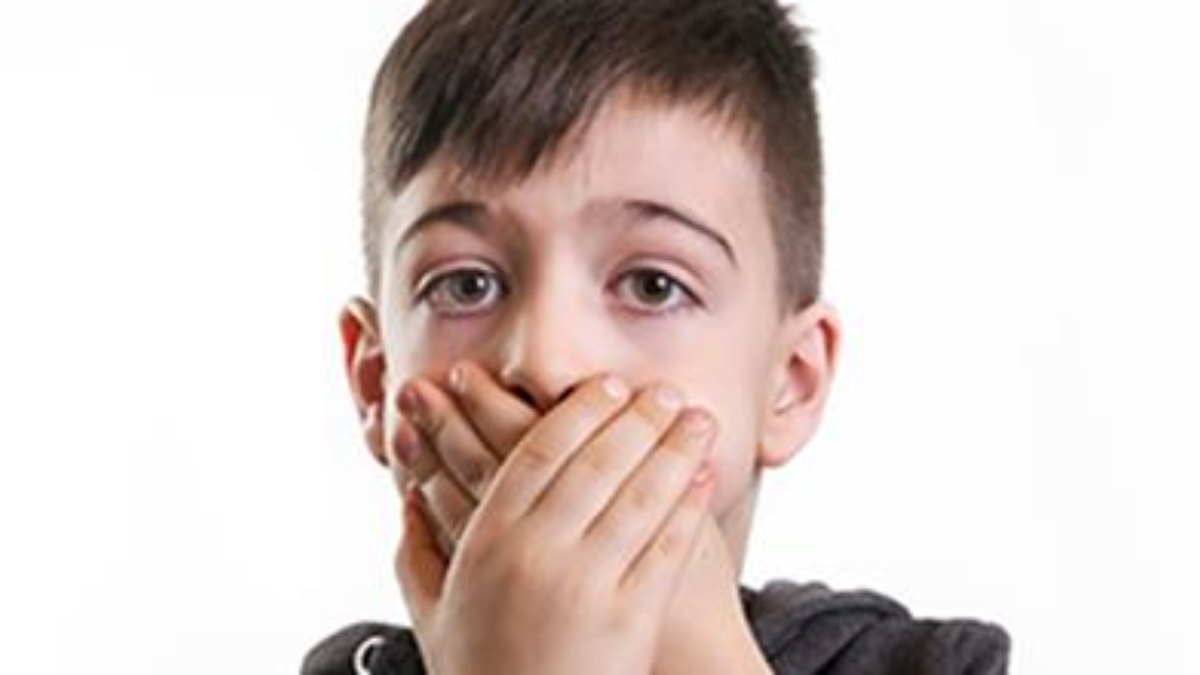
A troubling new trend is emerging in many Indian homes and classrooms: children as young as seven are increasingly using abusive and explicit language, not out of anger but often to sound “cool” or funny. Experts warn this shift is fueled by the exposure to unfiltered online content—gaming streams, memes, and live chats—where profanity and slurs are rampant. The Times of India
In Nainital, a school counsellor related how a Class 2 student stunned classmates by using a swear word during playtime. When asked, the child admitted he “heard it online.” According to Dr. Simran Rehill, such incidents are not rare anymore. “Children pick up language faster than we expect,” she said. The Times of India
Teachers across cities are witnessing similar patterns. In Dehradun, a Class 5 student used insulting words in school just days after watching a game livestream. Several teachers say the school corridors now echo with slurs and jeers that were once unthinkable. The Times of India
Psychologists say this behavior is not a phase—it is part of a cultural shift in how children absorb content. “When children consume content without supervision, they imitate tone and vocabulary before understanding meaning,” explained Dr. Geeta Khanna. The problem worsens when statements are repeated by peer groups, normalizing disrespect. The Times of India
Several causes feed this trend. First, many online video and gaming platforms deploy live chats and comment sections with minimal moderation, letting profanity go unchecked. Second, children today often watch videos unsupervised, especially late at night. Finally, many households lack media awareness—parents may not discuss language, tone, or digital etiquette with kids. The Times of India
The effects extend beyond mere words. Frequent use of abusive language can erode empathy and harm relationships. Children might struggle to express thoughts without resorting to insults. It can also cause social isolation, as peers perceive them as aggressive or disrespectful.
Educators suggest remedies that start at home and school. Parents should monitor what children watch, set screen limits, and have open talks about respectful communication. Teachers can introduce “language-checks”—sessions where students reflect on how words affect others. Community campaigns such as Gaali Free India and Gaali Band Ghar already encourage respectful speech in households and public life. Wikipedia+1
Platforms also bear responsibility. Developers need stronger filtering and moderation of chat and comment sections, especially for content meant for children. Some experts recommend algorithmic detection of abusive phrases with pop-ups explaining why they are harmful.
India’s legal stance is evolving too. The Bombay High Court recently ruled that using abusive language alone doesn’t automatically violate Section 294 of the Indian Penal Code, unless obscenity and annoyance are clearly proven. Context matters. The Times of India
This issue is not just moral—it is urgent. As children spend more time online, the language they absorb may shape their social, emotional, and educational growth. The call now is to build awareness, enforce safeguards, and teach kindness in speech as much as in action.
If you like, I can prepare a Kid-Friendly Guide (ages 8–13) to help children understand how to “Talk Clean Online” — with tips, examples, and exercises. Do you want me to add that?