The world’s oceans cover more than half of our planet, and this topic is trending because scientists and explorers are working harder than ever to protect ocean life and keep seas healthy.
Oceans are home to millions of plants and animals, from tiny plankton to giant whales. They also help control Earth’s climate and provide food and jobs for people around the world.
Why oceans matter
Oceans help our planet by:
-
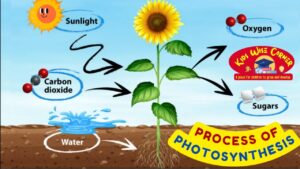
Producing much of the oxygen we breathe
-
Regulating weather and temperature
-
Providing food like fish and sea plants
-
Supporting coral reefs and marine life
Many people don’t realise that tiny ocean plants called phytoplankton make a large amount of Earth’s oxygen.
What problems oceans face
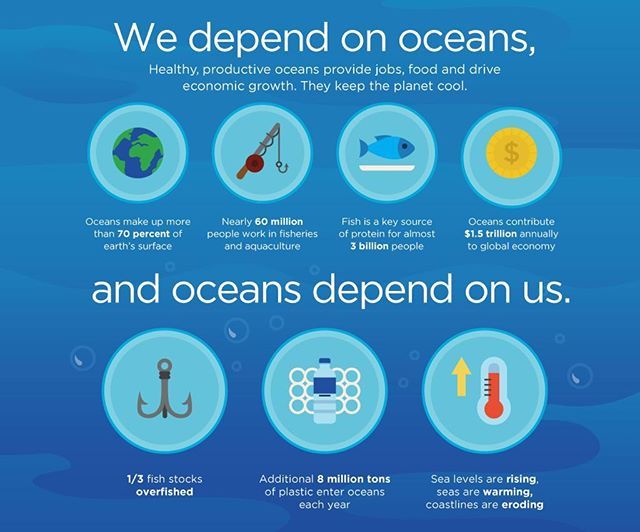
Scientists say oceans are facing challenges such as:
-
Plastic pollution
-
Overfishing
-
Rising temperatures
-
Coral reef damage
Plastic waste can harm fish, turtles and birds, while warmer waters can bleach coral reefs, turning them white and weak.
How scientists are helping
Researchers and volunteers are:
-
Cleaning beaches and coastlines
-
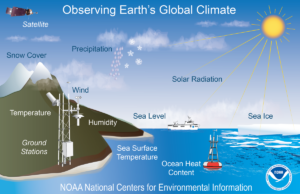
Using satellites to track ocean health
-
Creating protected marine parks
-
Developing eco-friendly alternatives to plastic
Some countries are also teaching children about ocean care through school programs and beach clean-up activities.
Why kids should care
-
Oceans support life on Earth
-
Small actions like reducing plastic help
-
Future explorers may protect the seas
Teachers say learning about oceans helps children understand how nature, science and responsibility are connected.
In short: Oceans are vital for life on Earth, and scientists are working to protect them from pollution and climate change.
Learning takeaway: Caring for oceans today helps protect the planet and all living beings for tomorrow. 🌍💙