Have you ever wondered why some days are sunny, others rainy, and some very cold or windy? Scientists say weather changes happen because of movements in air, water and heat, and this topic is trending as extreme weather events are becoming more common around the world.
Weather is what the air is like outside right now — hot, cold, rainy, cloudy or windy. It can change from day to day, or even hour to hour.
What causes weather changes
Weather changes because of:
-
Sun’s heat, which warms the Earth
-
Air movement, when warm air rises and cool air sinks
-
Water cycle, including evaporation, clouds and rain
-
Wind, which moves weather from one place to another
For example, when warm air rises and cools, clouds form. If the clouds get heavy, rain falls.
How scientists predict weather
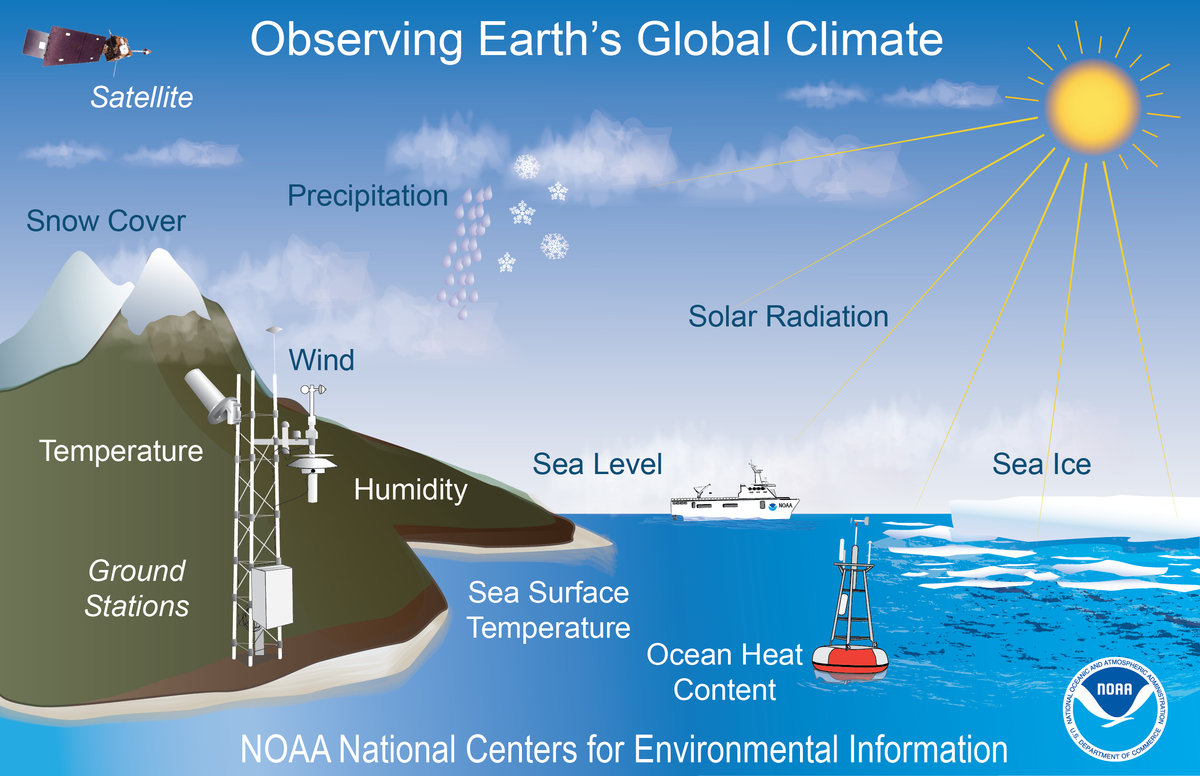
Weather scientists, called meteorologists, use:
-
Satellites in space to watch clouds
-
Weather stations on land and sea
-
Computer models to predict changes
-
AI tools to study patterns faster
That’s how weather forecasts tell us if it might rain tomorrow or if a heatwave is coming.
Why weather forecasts are important
Weather predictions help people:
-
Carry umbrellas or wear warm clothes
-
Protect crops and animals
-
Prepare for storms, floods or heatwaves
-
Plan travel, school events and sports
Early warnings can save lives during cyclones, floods or very hot days.
Why kids should care
-
Weather affects school, play and travel
-
Learning weather science builds curiosity
-
Future scientists may study climate and weather
Teachers say understanding weather helps kids respect nature and prepare for changes instead of being surprised by them.
In short: Weather changes every day because of air, water and heat movements, and scientists use technology to predict it.
Learning takeaway: Knowing how weather works helps us stay safe, plan better and understand the natural world around us. 🌍🌦️