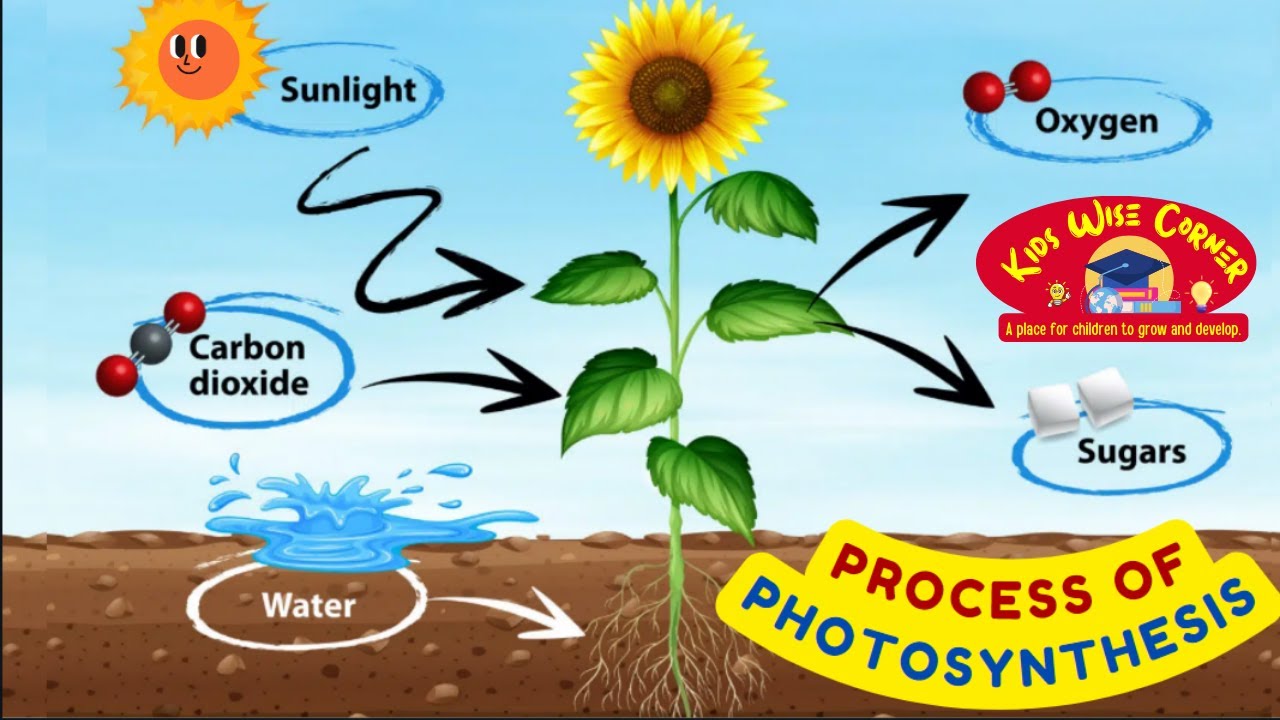
Plants may look quiet and still, but inside their leaves something amazing is happening every day. This topic is trending because scientists and teachers are helping children understand photosynthesis, the process that allows plants to make their own food and give us oxygen to breathe.
Photosynthesis is the reason life on Earth exists. Without it, there would be no food chains, no forests, and no oxygen in the air.
What is photosynthesis?
Photosynthesis is the process by which plants:
-
Use sunlight
-
Take in carbon dioxide from the air
-
Absorb water from the soil
Using these, plants make their own food called glucose and release oxygen as a by-product.
This process mostly happens in the leaves, which contain a green substance called chlorophyll. Chlorophyll helps trap sunlight.
Why sunlight is important
Sunlight provides energy. Plants act like tiny solar panels, capturing sunlight and turning it into chemical energy they can store and use to grow.
That’s why plants grow better in places with enough sunlight.
Why photosynthesis matters to humans
Photosynthesis helps humans by:
-
Producing the oxygen we breathe
-
Forming the base of all food chains
-
Helping control carbon dioxide levels
-
Supporting animals, birds and insects
Even the food we eat — rice, fruits, vegetables or milk — depends on plants and photosynthesis.
Why kids should care
-
Plants are living factories of food and air
-
Understanding plants builds respect for nature
-
Future scientists may improve farming using plant science
Teachers say photosynthesis is a perfect example of how simple natural processes support all life on Earth.
Some scientists are even studying photosynthesis to create cleaner energy in the future.
In short: Photosynthesis is how plants use sunlight to make food and release oxygen.
Learning takeaway: Plants may not move or talk, but they quietly work every day to keep Earth alive. 🌍🌿