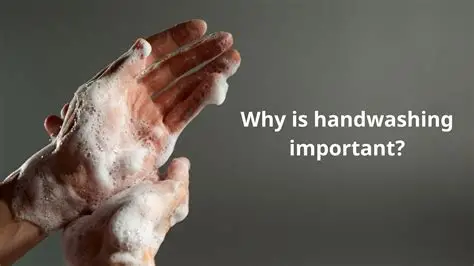
Doctors and scientists around the world say washing hands properly is one of the easiest and most powerful ways to stay healthy, and this topic is trending because simple habits can prevent many common illnesses.
Our hands touch many things every day — door handles, books, phones, desks and playground equipment. Tiny germs that we cannot see can stick to our hands and enter our body when we touch our eyes, nose or mouth.
What are germs?
Germs are very small living things like:
-
Bacteria
-
Viruses
-
Fungi
Some germs are harmless, but others can make people sick and cause colds, stomach aches or infections.
How handwashing helps
Washing hands with soap and water:
-
Removes dirt and germs
-
Stops germs from spreading to others
-
Protects us from common illnesses
-
Keeps food safe while eating or cooking
Soap works by breaking down germs and washing them away with water.
When should kids wash hands?
Experts say children should wash hands:
-
Before eating food
-
After using the toilet
-
After playing outside
-
After coughing or sneezing
-
After touching pets
Washing for at least 20 seconds — about the time it takes to hum a short song — is best.
Why this matters today
With schools, playgrounds and public places being busy, germs can spread quickly. Health experts say good handwashing habits can:
-
Reduce sick days from school
-
Keep families healthier
-
Protect younger children and elders
Schools and parents are encouraging children to make handwashing a daily habit, just like brushing teeth.
Why kids should care
-
Clean hands keep you healthy
-
You miss fewer school days
-
You help protect others too
Teachers say handwashing teaches responsibility and care for others.
In short: Washing hands regularly helps stop germs and keeps kids healthy.
Learning takeaway: A simple habit like washing hands can make a big difference in keeping yourself and others safe. 💧👐