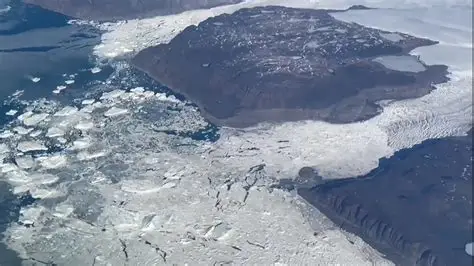
High up in mountains and near the Earth’s poles are giant rivers of ice called glaciers. This topic is trending because scientists say many glaciers are melting faster than before, and this can affect people, animals and the planet.
A glacier is formed when snow falls year after year, gets packed tightly, and slowly turns into thick ice. Over time, glaciers move very slowly, carving valleys and shaping the land.
Where are glaciers found?
Glaciers are found in:
-
The Himalayas
-
Antarctica
-
Greenland
-
Alaska
-
High mountain regions around the world
Some glaciers are thousands of years old and store a huge amount of fresh water.
Why glaciers are melting
Scientists say glaciers are melting mainly because of:
-
Rising global temperatures
-
Warmer summers
-
Less snowfall in some regions
When the Earth gets warmer, ice melts faster than it can be replaced by new snow.
Why melting glaciers matter
Melting glaciers can:
-
Raise sea levels
-
Cause floods in mountain areas
-
Reduce fresh water supply for rivers
-
Affect animals that depend on cold habitats
Many rivers that people use for drinking and farming begin from glaciers.
How scientists study glaciers
Scientists use:
-
Satellites from space
-
Drones and cameras
-
Ice measurements on the ground
These tools help them understand how fast glaciers are changing.
Why kids should care
-
Glaciers help keep Earth cool
-
They supply water to millions of people
-
Protecting nature protects our future
Teachers say learning about glaciers helps children understand climate change and responsibility.
Simple actions like saving energy, planting trees and reducing waste can help slow warming.
In short: Glaciers are huge ice bodies that are melting due to rising temperatures.
Learning takeaway: Protecting the Earth’s climate helps protect glaciers — and glaciers help protect life on our planet. ❄️🌱