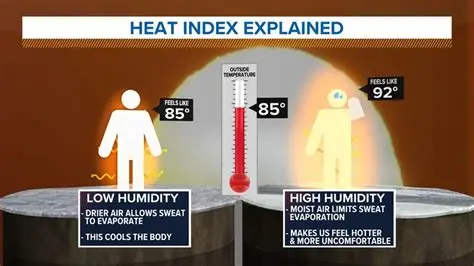
Have you ever wondered why summers feel hot, winters feel cold, and some places stay cool all year? This topic is popular because temperature affects how we dress, eat, travel and live every day.
Temperature tells us how hot or cold something is. It is caused by how fast tiny particles inside objects and air are moving.
What causes temperature changes
Temperature changes happen because of:
-
Sunlight reaching Earth
-
Distance from the Sun during the day
-
Time of day (day or night)
-
Location on Earth (near the equator or poles)
Places near the equator receive more sunlight and are usually warmer. Places near the poles receive less sunlight and are much colder.
Why days and nights feel different
During the day:
-
The Sun heats the land and air
-
Temperatures rise
At night:
-
The Sun is not visible
-
The Earth cools down
-
Temperatures fall
That’s why afternoons are warmer and early mornings feel cooler.
Why seasons change temperature
As Earth moves around the Sun:
-
Some months receive more sunlight
-
Other months receive less
This causes summer, winter, spring and autumn.
How temperature affects life
Temperature affects:
-
What clothes we wear
-
What crops can grow
-
How animals behave
-
How much water we drink
Animals in cold places have thick fur, while animals in hot places have features that help them stay cool.
How scientists measure temperature
Scientists use thermometers, which measure heat in:
-
Degrees Celsius (°C)
-
Degrees Fahrenheit (°F)
Weather scientists study temperature to predict heatwaves, cold waves and climate patterns.
Why kids should care
-
Temperature affects daily comfort
-
Understanding heat helps in science learning
-
Knowing weather helps stay safe
Teachers say temperature is one of the easiest ways to understand how energy and nature work together.
In short: Temperature tells us how hot or cold something is and is mainly affected by sunlight.
Learning takeaway: Understanding temperature helps children understand weather, seasons and how Earth supports life. 🌍🌡️