Insects may be tiny, but they play a huge role in keeping nature balanced, and this topic is popular because scientists say many insects are disappearing, which could affect plants, animals and humans.
Insects include bees, butterflies, ants, beetles, ladybirds and mosquitoes. There are millions of insect species on Earth, and most of them are helpful.
How insects help the planet
Insects help nature in many ways:
-
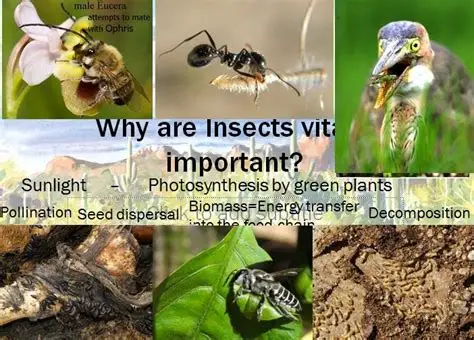
Pollination: Bees and butterflies help plants make fruits and seeds
-
Cleaning nature: Some insects break down dead plants and animals
-
Soil health: Ants and beetles loosen soil and make it rich
-
Food chain: Insects are food for birds, frogs and fish
Without insects, many plants would not grow, and animals would struggle to survive.
Why bees are extra special
Bees are called nature’s helpers because:
-
They pollinate crops like fruits, vegetables and nuts
-
They help farmers grow more food
-
They support forests and wild plants
Scientists say that many foods we eat depend on bees.
What problems insects face
Insects are in danger because of:
-
Too much pesticide use
-
Pollution
-
Loss of plants and trees
-
Climate change
When insects disappear, nature’s balance gets disturbed.
How kids can help insects
Children can help by:
-
Planting flowers and plants
-
Avoiding harm to insects
-
Keeping gardens clean and green
-
Learning and teaching others about insects
Some schools even create butterfly gardens and bee-friendly spaces.
Why kids should care
-
Insects help grow food
-
They keep ecosystems healthy
-
Protecting insects protects the future
Teachers say learning about insects builds respect for even the smallest forms of life.
In short: Insects may be small, but they are essential for plants, animals and humans.
Learning takeaway: Caring for tiny creatures helps protect the big, beautiful web of life on Earth. 🌍🐞