Every big tree, tasty fruit, and colourful flower begins its life as a tiny seed. This topic is popular in schools because learning how seeds grow helps children understand patience, nature and responsibility.
Seeds may look small and quiet, but inside them is everything needed to grow into a plant.
What is a seed?
A seed is a baby plant wrapped in a protective cover. Inside a seed are:
-
A tiny plant (called an embryo)
-
Stored food for early growth
-
A seed coat for protection
Seeds can come from fruits, vegetables, flowers and trees.
What do seeds need to grow?
For a seed to grow into a plant, it needs:
-
Water – to wake the seed up
-
Air – for breathing
-
Warmth – to start growing
-
Soil – to hold roots and nutrients
Sunlight is important later, once the plant grows leaves.
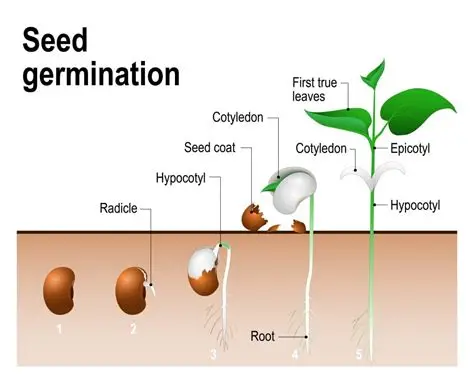
How a seed becomes a plant
The growth happens in steps:
-
The seed absorbs water
-
The seed coat breaks
-
Roots grow downward into the soil
-
A shoot grows upward toward light
-
Leaves appear and make food
This process is called germination.
Why plants are important
Plants help life on Earth by:
-
Giving oxygen to breathe
-
Providing food for humans and animals
-
Cooling the environment
-
Holding soil in place
Without plants, life on Earth would not survive.
How kids can take care of plants
Children can help plants by:
-
Watering them regularly
-
Not plucking leaves or flowers
-
Giving enough sunlight
-
Using compost instead of waste
-
Planting saplings
Many schools encourage children to grow plants in pots or gardens.
Why kids should care
-
Plants support all life
-
Growing plants teaches patience
-
Caring for nature builds kindness
Teachers say plant care helps children understand growth, responsibility and respect for nature.
Fun fact
Some seeds can sleep in soil for years and still grow when conditions are right!
In short: Seeds grow into plants when they get water, air, warmth and care.
Learning takeaway: When we care for small things like seeds, they can grow into something big and beautiful. 🌼🌍