Every day, people throw away paper, plastic, metal and food waste. This topic is popular because scientists and environmental experts say recycling helps reduce waste and protect the Earth.
Recycling means using old things to make new things, instead of throwing them away. It helps save natural resources and keeps our surroundings clean.
What can be recycled?
Many common items can be recycled, such as:
-
Paper and cardboard
-
Plastic bottles and containers
-
Glass bottles and jars
-
Metal cans
When these items are recycled, they are cleaned and turned into new products.
Why recycling is important
Recycling helps the planet by:
-
Reducing garbage in landfills
-
Saving trees, water and minerals
-
Reducing pollution
-
Saving energy
For example, recycling paper saves trees, and recycling metal saves energy used to mine new metal.
What happens if waste is not recycled?
When waste is not recycled:
-
Garbage piles grow bigger
-
Plastic enters rivers and oceans
-
Animals can get hurt
-
Land and water become polluted
Plastic waste is especially harmful because it takes hundreds of years to break down.
How kids can help with recycling
Children can help by:
-
Separating wet and dry waste
-
Using recycle bins at home and school
-
Reusing notebooks and bottles
-
Avoiding single-use plastic
-
Teaching others about recycling
Many schools now have colour-coded bins to make recycling easy.
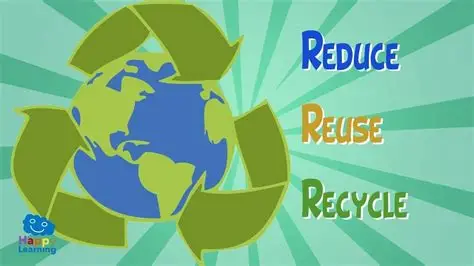
Reduce, Reuse, Recycle
Experts remind us of the 3 Rs:
-
Reduce – use less
-
Reuse – use things again
-
Recycle – make new things from old ones
Following the 3 Rs helps protect the environment.
Why kids should care
-
Recycling keeps Earth clean
-
Small actions make a big difference
-
Protecting nature protects our future
Teachers say learning recycling habits early helps children grow into responsible citizens.
In short: Recycling turns waste into useful products and helps protect the planet.
Learning takeaway: When we recycle, we give old things a new life — and help keep Earth healthy for everyone. ♻️🌱