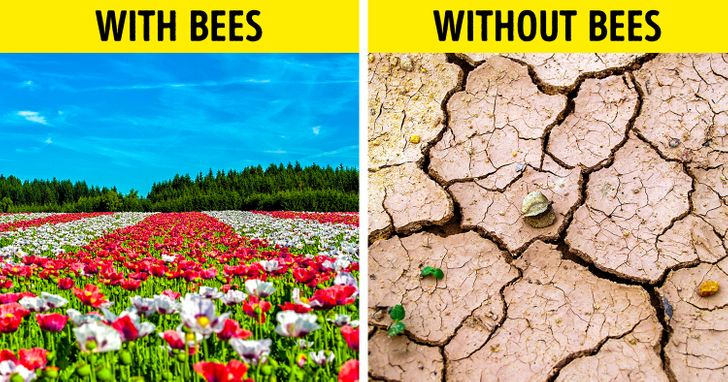
Bees may be small, but they do one of the biggest jobs on Earth. This topic is popular because scientists around the world are warning that bee numbers are decreasing, which could affect food, plants and people.
Bees are insects that collect nectar and pollen from flowers, but while doing this, they help plants grow.
What do bees do?
Bees help nature by:
-
Carrying pollen from one flower to another
-
Helping plants make fruits and seeds
-
Supporting crops like apples, mangoes and almonds
This process is called pollination, and without it, many plants would not survive.
Why bees are important for food
Bees help grow:
-
Fruits and vegetables
-
Nuts and seeds
-
Crops used for juice and oil
Scientists say one-third of the food we eat depends on pollinators like bees.
Why bees are disappearing
Bees face problems because of:
-
Pesticides used on farms
-
Loss of flowers and green spaces
-
Pollution
-
Climate change
When bees cannot find enough flowers, they struggle to survive.
How bees help nature stay balanced
Bees:
-
Support forests and grasslands
-
Help animals that eat fruits and seeds
-
Keep ecosystems healthy
Without bees, food chains can break.
How kids can help bees
Children can help by:
-
Planting flowers
-
Avoiding harm to insects
-
Keeping gardens pesticide-free
-
Saving water for plants
-
Learning and sharing facts about bees
Some schools create bee gardens to help pollinators.
Why kids should care
-
Bees help grow food
-
Protecting bees protects nature
-
Small actions make a big difference
Teachers say learning about bees teaches care, responsibility and respect for life.
Fun fact
Bees communicate with each other by doing a special “waggle dance”!
In short: Bees are tiny helpers that pollinate plants and support life on Earth.
Learning takeaway: Protecting bees means protecting food, nature and the future of our planet. 🌍🐝