Have you ever watched an ice cube slowly turn into water or seen water freeze into ice in a freezer? This topic is popular because it explains how temperature changes matter in our everyday life, from weather to food and drinks.
Ice and water are actually the same substance, just in different forms.
What happens when water freezes
Water freezes when:
-
The temperature drops very low
-
Water molecules slow down
-
They stick together tightly
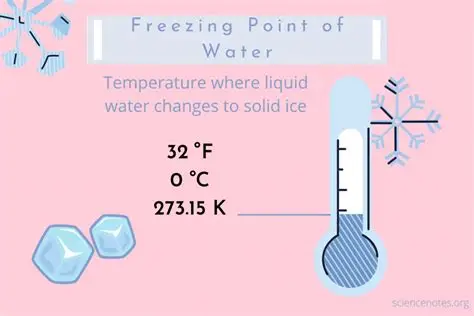
When this happens, liquid water turns into solid ice. This usually happens at 0°C (32°F).
That’s why water in freezers turns into ice.
Why ice melts
Ice melts when:
-
The temperature increases
-
Molecules start moving faster
-
Ice changes back into water
Heat from the air, your hand, or sunlight provides the energy that causes ice to melt.
Why temperature matters
Temperature affects:
-
How fast ice melts
-
How quickly water freezes
-
Weather patterns
-
How food is stored
Cold temperatures help preserve food, while heat can spoil it.
Ice and water in nature
Ice and water play an important role in nature:
-
Snow and ice store fresh water
-
Melting ice feeds rivers
-
Frozen lakes protect animals underneath
-
Ice caps help keep Earth cool
Scientists closely study melting ice because it affects sea levels and climate.
Why ice floats on water
Ice floats because:
-
Ice is less dense than water
-
Its molecules spread out when frozen
This is important because floating ice protects life in lakes and oceans during winter.
Why kids should care
-
Science explains everyday changes
-
Understanding temperature builds curiosity
-
It helps explain weather and climate
Teachers say ice and water experiments are a fun way to learn basic science at home or school.
Fun fact
Hot water can sometimes freeze faster than cold water — this is called the Mpemba effect!
In short: Ice melts and water freezes because of changes in temperature.
Learning takeaway: Small temperature changes can cause big changes in nature — science helps us understand why. ❄️💧