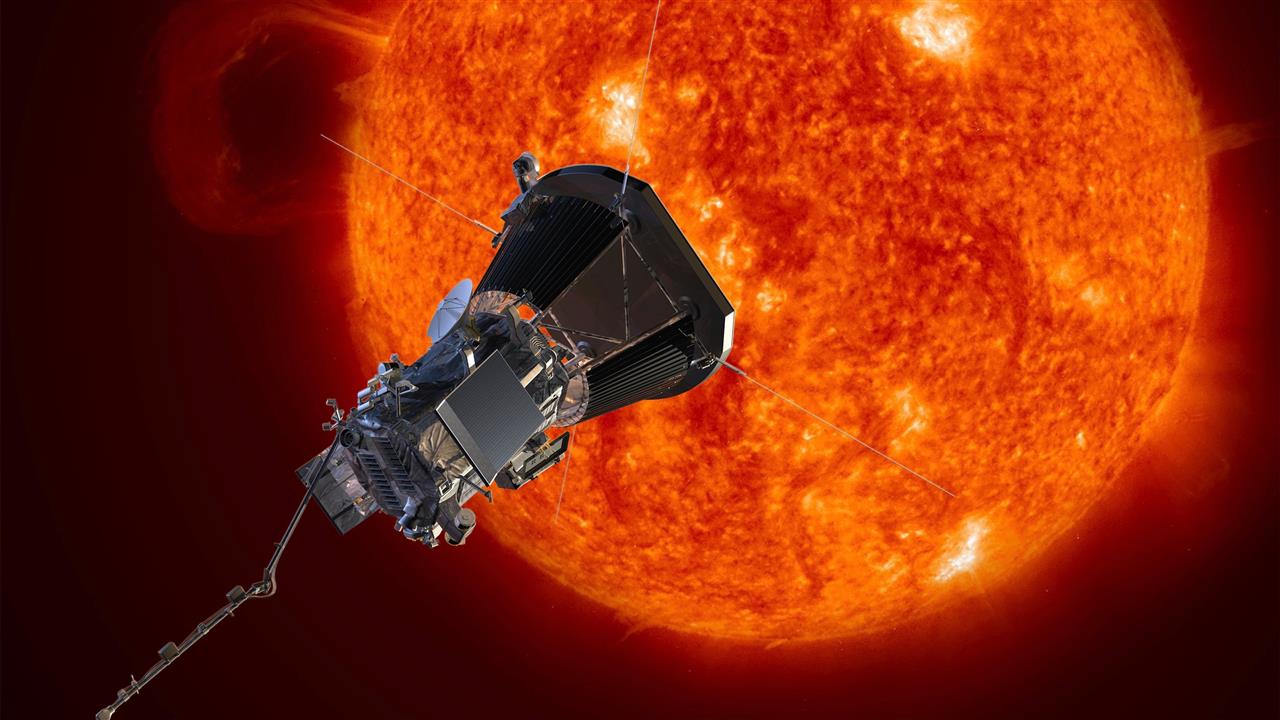
Scientists around the world are preparing new space missions to study the Sun more closely, making this an exciting and trending space science story. Space agencies say understanding the Sun is very important because it provides light and heat to Earth and affects weather, satellites, and even power systems.
The Sun is a huge star at the center of our solar system. It is made mostly of hot gases and produces energy through powerful reactions in its core. Scientists want to learn more about how the Sun works, especially events like solar flares and sunspots, which can send bursts of energy into space.
New missions will use advanced spacecraft designed to travel closer to the Sun than ever before. These spacecraft are protected by special heat shields that allow them to survive extreme temperatures. By flying close, scientists can collect detailed information about the Sun’s surface, magnetic fields, and solar winds.
Solar winds are streams of charged particles that flow out from the Sun. When strong solar winds reach Earth, they can cause beautiful auroras, also known as the Northern and Southern Lights. However, very powerful solar storms can also disrupt satellites, radio signals, and electricity systems. Studying the Sun helps scientists predict these events and protect technology on Earth.
For kids, this news matters because the Sun plays a huge role in everyday life. Without it, plants could not grow, weather would not exist, and life on Earth would not be possible. Learning about the Sun helps students understand science topics like energy, gravity, and space weather.
Scientists say these missions will also help improve space travel. As humans plan future missions to the Moon and Mars, understanding how solar radiation affects astronauts is important for keeping them safe.
The plans to study the Sun show that space exploration is not only about distant planets but also about learning more about our closest star. By exploring the Sun, scientists hope to unlock secrets that will help protect Earth and inspire young people to look at the sky with curiosity and wonder.