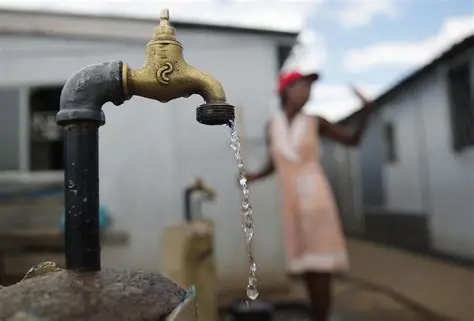
Communities around the world are taking new steps to save water as many regions face shortages caused by changing weather patterns and rising temperatures. This topic is trending because scientists and governments warn that fresh water is a limited resource and must be protected to ensure enough supply for people, animals, and plants in the future.
Water shortages happen when rivers, lakes, and underground water sources do not receive enough rainfall to refill them. Long periods of drought, higher evaporation due to heat, and growing populations all put pressure on water supplies. In some places, families have been asked to limit water use at home, while farmers are learning new ways to use water more efficiently on crops.
Cities are introducing water-saving measures such as fixing leaking pipes, using smart meters, and recycling water for gardens and cleaning. Some communities are collecting rainwater and using it during dry periods. Experts say these steps can help reduce waste and make sure water is shared fairly.
For kids, this news matters because water is needed every day for drinking, cooking, washing, and growing food. Without enough clean water, daily life becomes difficult. Learning where water comes from and how to use it wisely helps children understand the importance of caring for natural resources.
Schools are teaching students simple ways to save water, such as turning off taps while brushing teeth, taking shorter showers, and reusing water for plants. These small actions may seem simple, but when many people do them together, they can make a big difference.
Scientists also explain that protecting forests, rivers, and wetlands helps keep the water cycle healthy. Natural areas act like sponges, storing water and releasing it slowly. Damaging these ecosystems can make floods and droughts worse.
The global effort to save water shows how people can work together to protect an essential resource. By learning good habits early and understanding why water matters, young people can help ensure there is enough clean water for communities today and in the future.