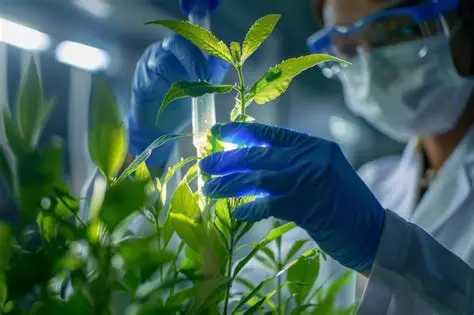
Scientists around the world are developing new eco-friendly materials to reduce pollution and protect the environment, making this a trending science and innovation story. These materials are designed to replace plastics and other harmful substances that take a long time to break down in nature.
Eco-friendly materials are made from natural or recycled resources such as plants, paper waste, and even algae. Scientists say these materials can be used to make everyday items like packaging, school supplies, clothing, and toys. Unlike traditional plastics, many of these new materials break down naturally and do not harm animals or the environment.
Researchers explain that plastic waste is one of the biggest environmental challenges today. Plastic can take hundreds of years to decompose and often ends up in oceans, rivers, and soil. By creating safer alternatives, scientists hope to reduce the amount of waste that pollutes the planet.
Some of the new materials are also stronger and lighter than older ones. This means they can be used in buildings, vehicles, and electronics while using fewer resources. Scientists say this helps save energy and reduce pollution during manufacturing.
For kids, this news matters because eco-friendly materials can help create a cleaner and healthier world. Using products that are better for the environment helps protect wildlife, oceans, and natural spaces where children live and play. Learning about these materials also shows how science can solve real-world problems.
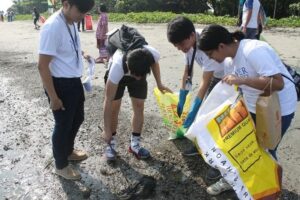
Schools are teaching students about recycling, sustainability, and responsible consumption. Many students are taking part in projects that encourage reusing materials and reducing waste. These lessons help kids understand how their daily choices can make a difference.
The development of eco-friendly materials highlights the power of creativity and innovation. As scientists continue their work, these new materials could change how products are made and used, helping to build a more sustainable future for generations to come