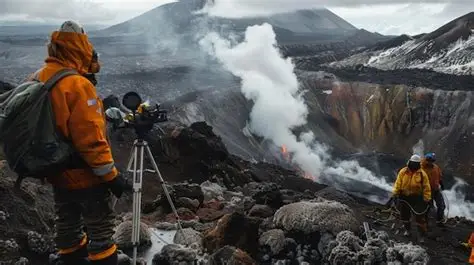
Scientists around the world are carefully monitoring volcano activity to help keep nearby communities safe, making this a trending earth science news story. Volcanoes are natural openings in the Earth’s surface where hot lava, ash, and gases can escape, and experts say watching them closely helps reduce danger when eruptions happen.
There are hundreds of active volcanoes on Earth, many located along the edges of tectonic plates. Scientists use tools such as seismometers, satellites, and gas sensors to study volcanoes. These tools can detect small earthquakes, ground swelling, or changes in gas levels that may signal an eruption.
When scientists notice warning signs, they can alert governments and emergency teams. This allows people living near volcanoes to prepare, move to safer areas, or follow safety instructions. Early warnings have helped save lives in several countries by giving families time to respond before eruptions occur.
Volcanoes can affect the environment in different ways. Lava flows can change landscapes, while ash clouds can travel long distances and affect air quality. In some cases, volcanic ash can even disrupt flights. However, scientists explain that volcanic soil can become very fertile over time, helping plants grow after eruptions.
For kids, this news matters because volcanoes are powerful examples of how Earth is always changing. Learning about volcanoes helps students understand science topics such as rocks, heat, pressure, and plate movement. It also shows how scientists use knowledge and technology to protect people.
Schools often teach about famous volcanoes and past eruptions to explain how nature works. Children may learn how volcanoes form, why they erupt, and what safety steps are important in volcanic areas.
The work scientists do to monitor volcanoes shows the importance of being prepared and informed. By studying Earth’s activity and sharing knowledge, researchers help communities stay safe while also learning more about the powerful forces shaping our planet.