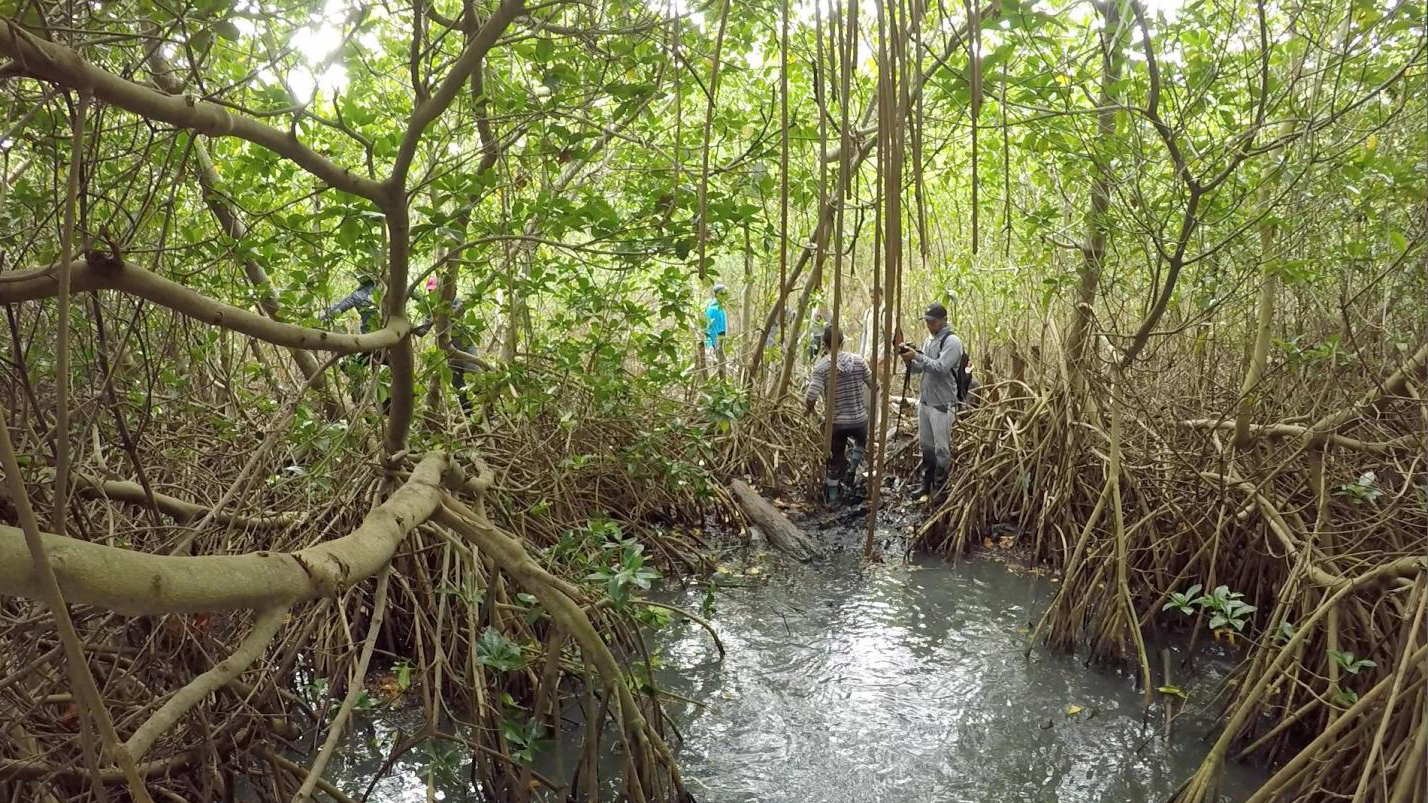
Scientists are studying mangrove forests to understand how they protect coastal areas, making this a trending environment news story. Mangroves are special trees and shrubs that grow along coastlines where land meets the sea, and experts say they play an important role in keeping both nature and people safe.
Mangroves grow in salty water and muddy soil, using tangled roots that rise above the ground. These roots help hold the soil together and stop it from washing away. Scientists explain that when strong waves, storms, or even tsunamis hit the coast, mangroves act like a natural shield by slowing down the water and reducing damage.
Mangrove forests are also home to many animals. Fish, crabs, birds, and insects use mangroves as places to live, hide, and find food. Young fish often grow up in mangrove roots before moving out into the open ocean. Because of this, mangroves help support healthy oceans and fishing communities.
Another important job of mangroves is helping fight climate change. Mangrove trees absorb carbon dioxide from the air and store it in their roots and soil. Scientists say mangroves can store even more carbon than many other types of forests, making them powerful helpers in reducing global warming.
However, mangroves are under threat. In some areas, they are cut down to make space for buildings, farms, or roads. Pollution and rising sea levels also put pressure on these ecosystems. When mangroves disappear, coastlines become more vulnerable to flooding and erosion.
For kids, this news matters because mangroves help protect homes, beaches, and wildlife. Healthy mangrove forests mean safer coastal communities and richer marine life. Learning about mangroves helps children understand how plants can protect people and the planet.
Communities and governments are now working to protect and restore mangrove forests. People are planting young mangrove trees, reducing pollution, and creating protected coastal areas. Schools are also teaching students about mangroves through environmental lessons and projects.
The study of mangroves shows how nature provides powerful solutions to environmental problems. By protecting mangrove forests, people can help keep coastlines safe, support wildlife, and build a healthier future for the Earth.