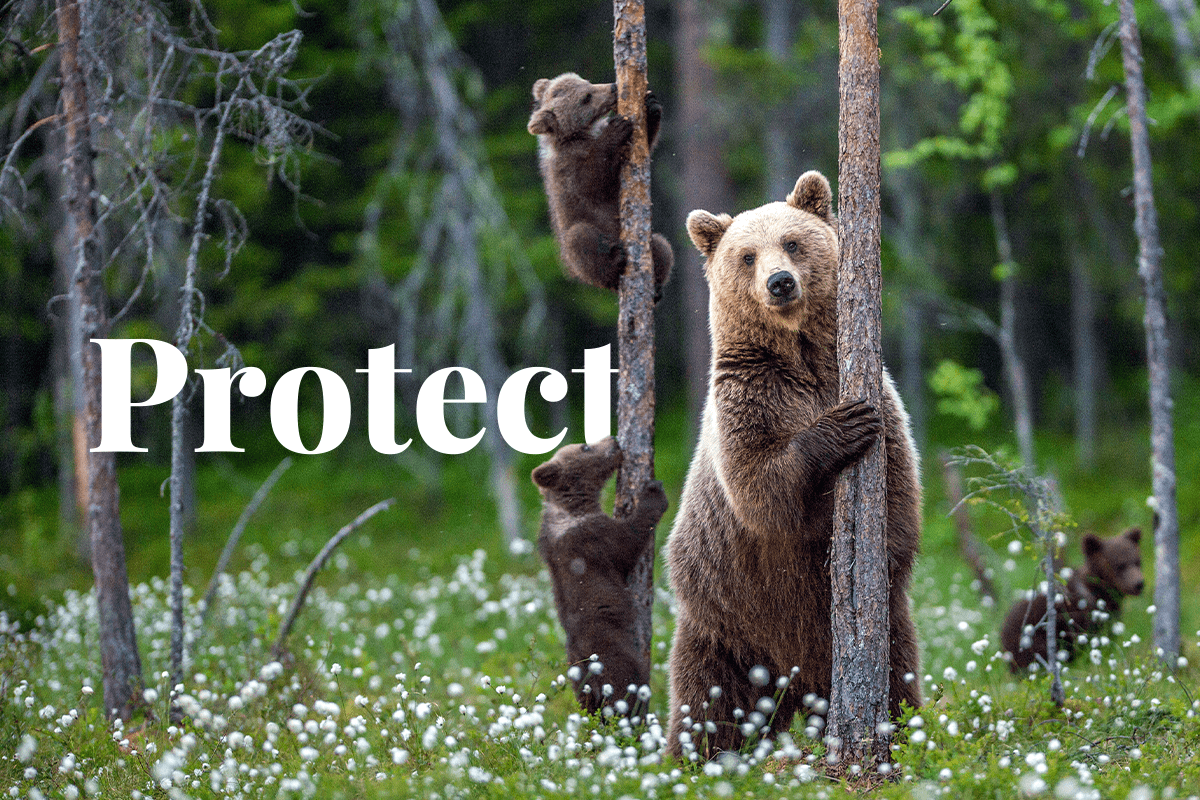
Scientists and conservation experts are studying how protecting wildlife habitats helps nature stay balanced, making this a trending environment news story. Wildlife habitats are natural places where animals and plants live, such as forests, grasslands, wetlands, and oceans. Experts say keeping these habitats safe is essential for protecting animals and the ecosystems they depend on.
When habitats are healthy, animals can find food, water, and shelter. Scientists explain that many species rely on specific environments to survive. For example, birds need trees to nest, frogs need clean wetlands, and marine animals need healthy coral reefs. When habitats are damaged or destroyed, animals may struggle to survive or be forced to move.
Habitat loss often happens because of deforestation, pollution, building projects, and climate change. Cutting down forests or filling wetlands can remove homes for wildlife. Scientists warn that when habitats disappear, some animals may become endangered or even extinct.
To protect habitats, many countries are creating national parks and wildlife reserves. These protected areas limit harmful activities and give nature space to recover. Conservation groups also work to restore damaged habitats by planting trees, cleaning polluted areas, and reintroducing native plants.
For kids, this news matters because wildlife is an important part of the natural world. Animals help keep ecosystems balanced by controlling insect populations, spreading seeds, and supporting plant growth. Learning about habitats helps children understand how all living things are connected.
Schools are teaching students about habitat protection through nature lessons and outdoor activities. Some students take part in tree planting, beach clean-ups, or wildlife observation projects. These activities show how small actions can help protect nature.
Scientists say everyone can help protect wildlife habitats by reducing waste, saving energy, and respecting nature. Avoiding littering, using less plastic, and supporting conservation efforts all make a difference.
The focus on protecting wildlife habitats shows how caring for nature helps the entire planet. By learning about habitats and taking steps to protect them, young people can help ensure that animals and plants continue to thrive for generations to come.