Scientists are studying how reducing noise pollution can help both animals and people live healthier lives, making this a trending environment news story. Noise pollution is unwanted or harmful sound from sources like traffic, airplanes, factories, and construction, and experts say too much noise can affect health and nature.
In cities, loud sounds from cars, horns, and machines can be heard day and night. Scientists explain that constant noise can make it hard for people to sleep, concentrate, or relax. For children, too much noise can affect learning and increase stress. Doctors say quieter environments help improve focus, mood, and overall well-being.
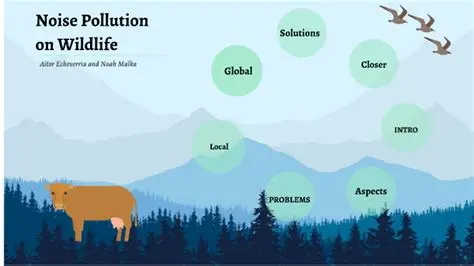
Animals are also affected by noise pollution. Birds use songs to communicate, find mates, and warn others of danger. When areas become too noisy, birds may struggle to hear each other and may leave their habitats. Marine animals like whales and dolphins rely on sound to navigate and communicate underwater, and loud ship noises can disturb them.
Researchers are finding ways to reduce noise pollution. Cities are building quieter roads, adding sound barriers near highways, and encouraging the use of electric vehicles, which are often quieter than petrol cars. Some communities are creating quiet zones near schools, hospitals, and parks to protect people and wildlife.
For kids, this news matters because quieter surroundings make it easier to learn, play, and rest. Reducing noise also helps protect animals that live near homes, schools, and natural areas. Learning about noise pollution teaches children that not all pollution is visible, but it can still cause harm.
Schools are teaching students about sound and hearing in science classes. Some students measure noise levels around their school or learn how ears work and why loud sounds can damage hearing. These lessons help kids understand the importance of protecting their ears and the environment.
Experts say everyone can help reduce noise pollution by avoiding unnecessary honking, keeping music at safe levels, and respecting quiet spaces. Simple actions can help create calmer and healthier communities.
The study of noise pollution shows how sound affects life in many ways. By understanding the impact of noise and choosing quieter habits, young people can help create peaceful environments that benefit both people and wildlife.