Scientists around the world are studying polar ice to understand how protecting it helps the planet, making this an important and trending environment news story. Polar ice is found in very cold regions near the North Pole (Arctic) and the South Pole (Antarctica), and experts say it plays a big role in keeping Earth’s climate balanced.
Polar ice includes sea ice, glaciers, and large ice sheets. Scientists explain that these icy areas reflect sunlight back into space, helping keep the planet cool. When ice melts, darker ocean water or land is exposed, which absorbs more heat. This can cause temperatures to rise even faster, creating a cycle that increases global warming.
In recent years, scientists have observed that polar ice is melting faster because of rising global temperatures. Satellite images show shrinking ice areas in both the Arctic and Antarctic. Melting ice contributes to rising sea levels, which can lead to flooding in coastal cities and islands around the world.
Polar ice is also important for animals. Polar bears, seals, penguins, and other wildlife depend on ice for resting, hunting, and raising their young. When ice disappears, these animals must travel farther to find food, which can make survival more difficult. Scientists say protecting ice helps protect these species and the ecosystems they live in.
For kids, this news matters because polar regions may seem far away, but changes there affect the whole planet. Melting ice can change weather patterns, ocean currents, and sea levels, which can impact communities everywhere. Learning about polar ice helps children understand how connected Earth’s systems are.
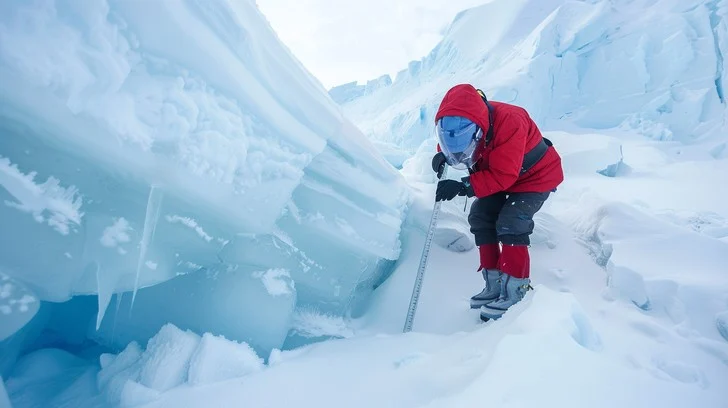
Scientists use satellites, research stations, and ice drills to study polar ice. By measuring ice thickness, temperature, and movement, they can learn how quickly ice is changing and what might happen in the future. This research helps governments plan ways to reduce climate change and protect vulnerable areas.
Schools are teaching students about polar regions through maps, videos, and science lessons. Children learn how ice forms, why it melts, and what actions people can take to slow climate change, such as saving energy and reducing pollution.
The study of polar ice shows how important cold regions are to the planet’s health. By learning about polar ice and caring for the environment, young people can help protect Earth’s climate and support a safer future for people, animals, and nature everywhere.