Scientists and environmental experts are studying how protecting rivers can help prevent floods, making this an important and trending environment news story. Rivers are natural waterways that carry rain and melted snow across land, and experts say healthy rivers can reduce flood damage and protect communities.
Floods happen when rivers overflow after heavy rain or fast snowmelt. Scientists explain that when rivers are straightened, narrowed, or blocked by buildings, water has less space to flow. This can cause sudden flooding in towns and cities. Natural rivers, with wide banks and nearby wetlands, allow water to spread out safely.
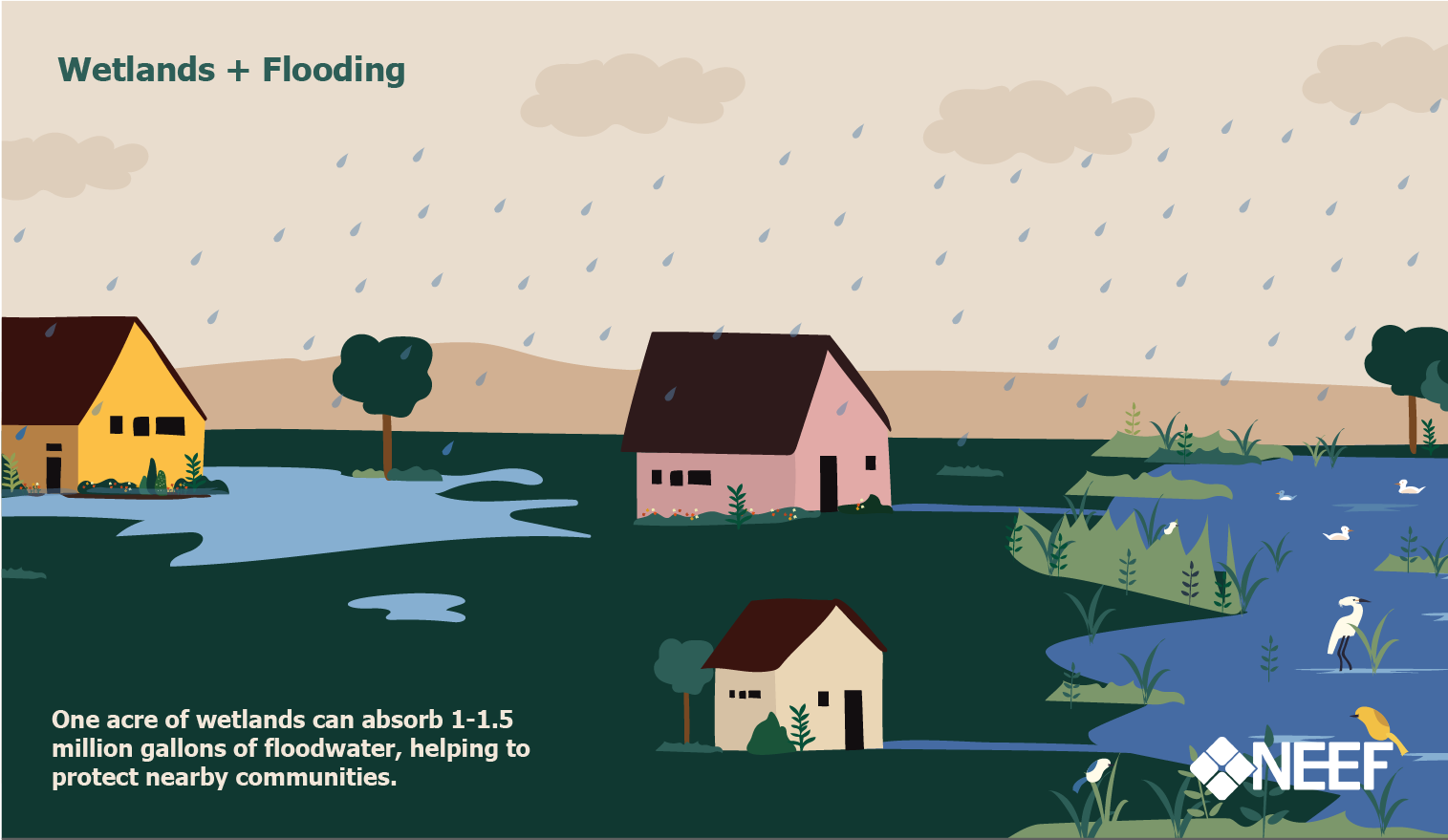
Plants and trees along riverbanks play an important role. Their roots hold soil in place, slow down flowing water, and reduce erosion. Wetlands near rivers act like sponges, soaking up extra water during storms and releasing it slowly later. Scientists say protecting these natural features helps reduce flood risk.
In many countries, communities are restoring rivers to their natural shape. Projects include removing concrete walls, planting native trees, and reconnecting rivers to floodplains. These efforts help rivers manage water naturally while also improving habitats for fish, birds, and insects.
For kids, this news matters because floods can affect homes, schools, and playgrounds. Learning how nature helps manage water shows that protecting the environment also protects people. Healthy rivers mean safer communities and cleaner water.
Schools are teaching students about rivers through science lessons and outdoor activities. Some students learn how water moves through landscapes or build small river models to see how floods happen. These lessons help children understand real-world problems and solutions.
Experts say everyone can help protect rivers by not littering, saving water, and respecting natural river areas. Simple actions can help keep rivers healthy and flowing properly.
The study of rivers and floods shows how working with nature can reduce disasters. By protecting rivers and their surroundings, communities can stay safer while supporting wildlife and the environment for future generations.