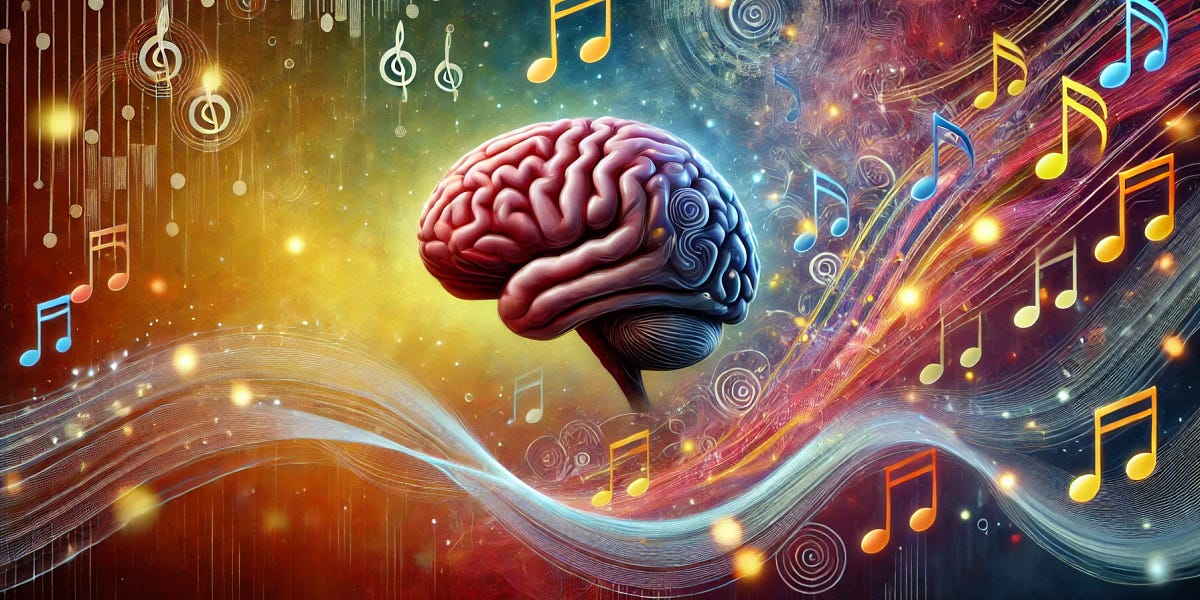
Scientists are studying how music helps the brain learn better, making this a trending science and education news story. Researchers say listening to music and playing instruments can support memory, focus, and emotional health, especially in children whose brains are still developing.
Music affects the brain in powerful ways. Scientists explain that when children listen to music, many parts of the brain become active at the same time. These areas help with listening, movement, emotions, and thinking. This brain activity helps build strong connections that support learning and problem-solving.
Studies show that children who learn music may find it easier to remember information and concentrate in class. Playing an instrument, such as the piano, guitar, or drums, requires coordination between hands, eyes, and ears. Scientists say this improves attention and helps the brain process information faster.
Music can also help with language skills. Songs often include rhythm, rhyme, and repetition, which make it easier to learn new words and sounds. This is one reason why young children learn alphabets and numbers through songs. Researchers say music can support reading and speaking skills in a fun and natural way.
For kids, this news matters because music is already part of daily life. Singing, clapping, dancing, and listening to favorite songs are not just fun activities — they also help the brain grow. Music can make learning feel enjoyable instead of stressful.
Scientists also study how music affects emotions. Calm music can help children relax, while upbeat music can increase energy and motivation. Music can help children express feelings they may not know how to explain in words. Teachers say background music can sometimes help students stay calm and focused during classwork.
Schools around the world are supporting music education through singing, instruments, and music clubs. Some schools use music to help students learn math patterns or remember facts. These lessons show that music is connected to many subjects, not just art.
Parents are encouraged to include music at home by listening together, singing, or letting children explore instruments. Scientists say it is not about being perfect — it is about enjoying sound and rhythm.
The study of music and the brain shows that learning can happen in joyful ways. By listening to and making music, children can support their brains, emotions, and creativity. Music reminds us that learning is not only about books and tests, but also about rhythm, expression, and fun.