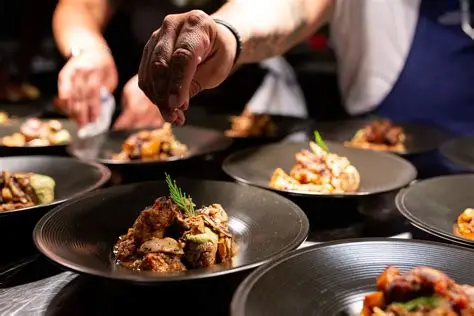
Chefs, historians, and scientists are studying traditional foods to explain how meals tell stories about culture, history, and family life, making this a trending food and culture news story. Traditional foods are dishes passed down through generations, and experts say they help people understand where they come from and how communities lived long ago.
Traditional foods are often made using local ingredients. Scientists explain that people in the past cooked with what they could grow or find nearby. For example, rice became common in areas with lots of water, while wheat was used in drier regions. These choices shaped popular dishes in different parts of the world.
Food also carries history. Some traditional recipes were created during difficult times, using simple ingredients and careful cooking. Others were prepared for festivals and celebrations. Historians say these dishes remind people of important events, seasons, and family traditions.
Cooking methods are part of the story too. Baking, steaming, fermenting, and slow cooking were developed long before modern kitchens. Scientists say these methods helped preserve food and improve flavor. Today, many people still use these techniques because they connect them to the past.
For kids, this news matters because food is something they experience every day. Learning about traditional foods helps children understand different cultures and respect diversity. Trying foods from different countries can be a fun way to explore the world without traveling far.
Traditional foods also bring families together. Cooking recipes with parents or grandparents helps children learn skills and hear stories. Experts say these moments strengthen family bonds and help keep cultural traditions alive.
Schools are teaching students about food culture through projects, food days, and geography lessons. Some classes explore what children eat around the world or how ingredients travel from farms to kitchens. These lessons help connect food with history and science.
Scientists also explain that many traditional foods are healthy. They often include vegetables, grains, and natural ingredients. Learning from traditional diets can help people make better food choices today.
Chefs around the world are now protecting traditional recipes by writing them down and teaching younger generations. This helps make sure cultural foods are not forgotten as lifestyles change.
Parents are encouraged to talk with children about the foods they eat at home. Sharing why a dish is special helps children understand their family’s story and feel proud of their heritage.
Experts say traditional foods remind people that meals are more than just eating. They are about memory, identity, and connection.
The study of traditional foods shows how culture lives on through taste and cooking. By learning about and enjoying traditional dishes, children can discover history, respect differences, and understand that food connects people across generations and cultures.