Economists and child development experts are studying how pocket money helps children learn important lessons about saving and spending, making this a trending topic in daily life and money education news. Pocket money, also called allowance, is a small amount of money children receive regularly, and experts say it can teach responsibility in a simple and practical way.
When children receive pocket money, they learn that money is limited and must be used wisely. Experts explain that deciding whether to spend money right away or save it for later helps children understand basic money skills. These small choices teach planning, patience, and self-control.
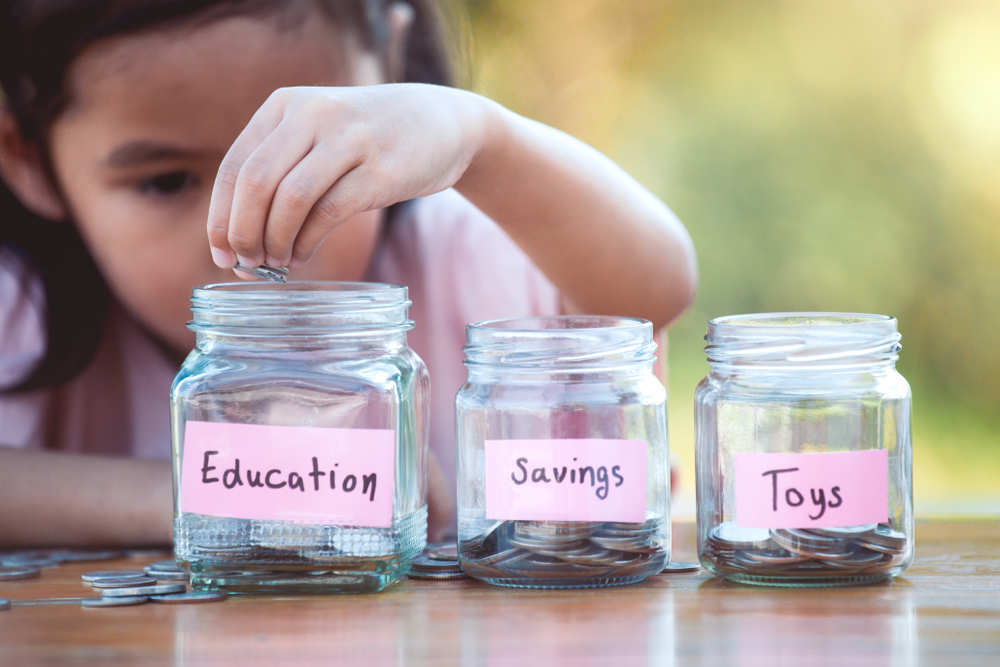
Saving is one of the biggest lessons pocket money can teach. Children who save part of their allowance learn how money grows over time. Some use jars or piggy banks to separate money for saving, spending, and sharing. Economists say this method helps children clearly see where their money goes.
Spending money also brings learning experiences. When children buy a toy or treat and later feel disappointed, they learn to think more carefully before buying next time. Experts say these small mistakes are safe ways to learn and build smart habits for the future.
Pocket money can also teach children about sharing and kindness. Many parents encourage kids to donate a small part of their allowance to charity or help someone in need. This helps children understand that money can be used not only for themselves, but also to help others.
For kids, this news matters because money will be part of everyday life as they grow older. Learning about money early helps reduce stress and confusion later. Understanding saving and spending makes children more confident and independent.
Experts say pocket money works best when it is regular and not linked to every chore. This helps children learn budgeting instead of earning only when asked. However, families can choose systems that match their values and routines.
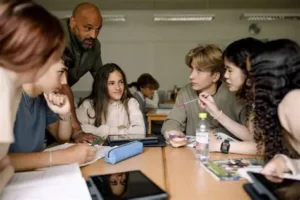
Schools are also teaching basic money skills through math lessons and real-life examples. Some students practice budgeting with pretend money or plan how to save for a goal. These activities help children connect learning with everyday life.
Parents play an important role by guiding children and talking openly about money. Experts suggest discussing prices, needs versus wants, and long-term goals in simple language. Honest conversations help children build a healthy attitude toward money.
Economists say children who learn money skills early are more likely to make smart financial choices as adults. These skills help with saving, avoiding debt, and planning for the future.
The study of pocket money shows that small amounts of money can teach big lessons. By learning how to save, spend, and share, children gain skills that last a lifetime. Pocket money is not just about buying things — it is about learning responsibility, balance, and smart decision-making for the future