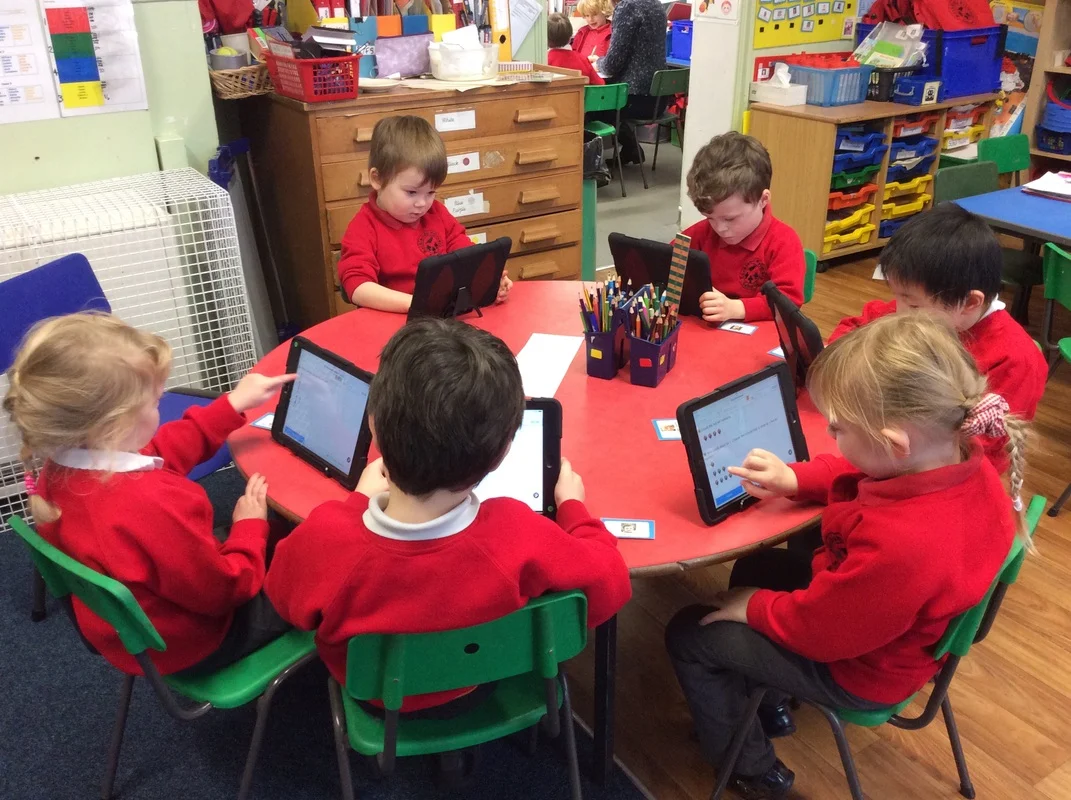
Schools, teachers, and technology experts are discovering how digital libraries are changing the way children read and learn, making this a trending education and technology news story. Digital libraries are online collections of books, stories, and learning materials that students can read using computers, tablets, or phones.
Digital libraries allow children to access thousands of books anytime and anywhere. Scientists explain that with just a few clicks, students can read storybooks, textbooks, comics, and reference materials without needing physical shelves. This makes reading easier for children who live far from libraries or schools with limited books.
Many digital libraries include features that support learning. Children can change text size, listen to audiobooks, highlight words, or look up meanings instantly. Teachers say these tools help students who struggle with reading and make stories more enjoyable and easier to understand.
Digital libraries also help schools save space and resources. Instead of storing many physical books, schools can provide access to large collections online. Experts say this reduces costs and allows schools to update books quickly with new editions and information.
For kids, this news matters because digital libraries give them more choice. Children can explore topics they love, from space and animals to history and adventure stories. Having more options encourages curiosity and builds a habit of reading for fun, not just for schoolwork.
Digital libraries support learning in many subjects. Students can read science articles, historical stories, and biographies that match their lessons. Teachers often assign digital reading tasks and track progress to see how students are improving.
Another benefit is language learning. Some digital libraries offer books in different languages or include read-aloud features. Scientists say this helps children learn new languages and improve pronunciation and vocabulary.
Parents also find digital libraries helpful. Families can read together at home without needing to buy many books. Some parents read stories aloud while others use audiobooks during travel or bedtime. Experts say shared reading strengthens learning and family bonds.
However, teachers remind students to balance screen reading with physical books. Reading printed books helps reduce eye strain and improves focus. Scientists say both digital and paper books are useful, and using a mix of both is best.
Schools teach children how to use digital libraries safely. Students learn about choosing age-appropriate content, protecting personal information, and using technology responsibly. These lessons help children become smart and safe digital readers.
Technology experts say digital libraries are especially useful during emergencies or school closures, allowing learning to continue without interruption. This makes education more flexible and reliable.
As technology improves, digital libraries are adding interactive stories, videos, and learning games. Scientists believe these features will make reading even more exciting for young learners.
The study of digital libraries shows how technology is opening new doors to knowledge. By using digital libraries wisely, children can develop strong reading habits, explore new ideas, and enjoy learning anytime and anywhere.