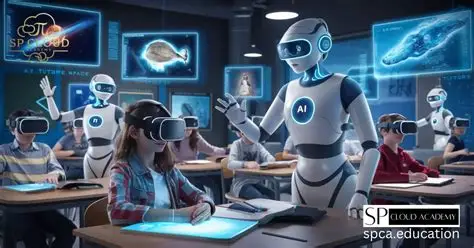
Schools, teachers, and technology experts are exploring how artificial intelligence tutors, also called AI tutors, are helping students learn faster and more confidently, making this a trending education and technology news story. AI tutors are computer programs that use smart technology to guide students through lessons, answer questions, and give extra help when needed.
AI tutors work by understanding how a student learns. Scientists explain that these systems can notice when a child is struggling with a topic and then offer simpler explanations, more practice questions, or helpful hints. If a student is doing well, the AI tutor can move ahead to more challenging tasks. This makes learning more personal for each child.
Many schools are using AI tutors for subjects like math, reading, science, and languages. Students can practice problems on tablets or computers, and the AI tutor gives instant feedback. Teachers say this helps students learn from mistakes right away instead of waiting for corrections later.
AI tutors do not replace teachers. Experts explain that teachers still guide lessons, support emotions, and help students think deeply. AI tutors act like helpers that give extra practice and support. This allows teachers to spend more time helping students who need personal attention.
For kids, this news matters because AI tutors can make learning less stressful. Children can ask questions without feeling shy and practice at their own speed. This can boost confidence and help students enjoy learning more.
AI tutors are also helpful for homework. Some programs explain steps clearly and help students understand how to solve problems instead of just giving answers. Scientists say this supports real learning and problem-solving skills.
Schools are using AI tutors carefully. Teachers check lessons to make sure they are accurate and age-appropriate. Experts say it is important that children use AI responsibly and still learn how to think independently.
Parents are learning how AI tutors work so they can support children at home. Many families like that AI tutors can help with revision and practice, especially when parents are busy or unsure about certain subjects.
Researchers say AI tutors can also help students who learn differently. Some children need more time, visual help, or repetition. AI systems can adjust lessons to match these needs, making learning more inclusive.
However, experts remind everyone that screen time should be balanced. Children still need breaks, outdoor play, reading, and social time. AI tutors are tools to support learning, not replace healthy routines.
Schools around the world are testing and improving AI tutoring programs. As technology develops, these tools may become smarter and more helpful. Scientists say careful use of AI can improve education when combined with good teaching and caring support.
The study of AI tutors shows how technology is changing classrooms. By using AI wisely, schools can help students learn at their own pace, build confidence, and develop skills for the future. Learning becomes more personal, supportive, and exciting when smart tools and great teachers work together.