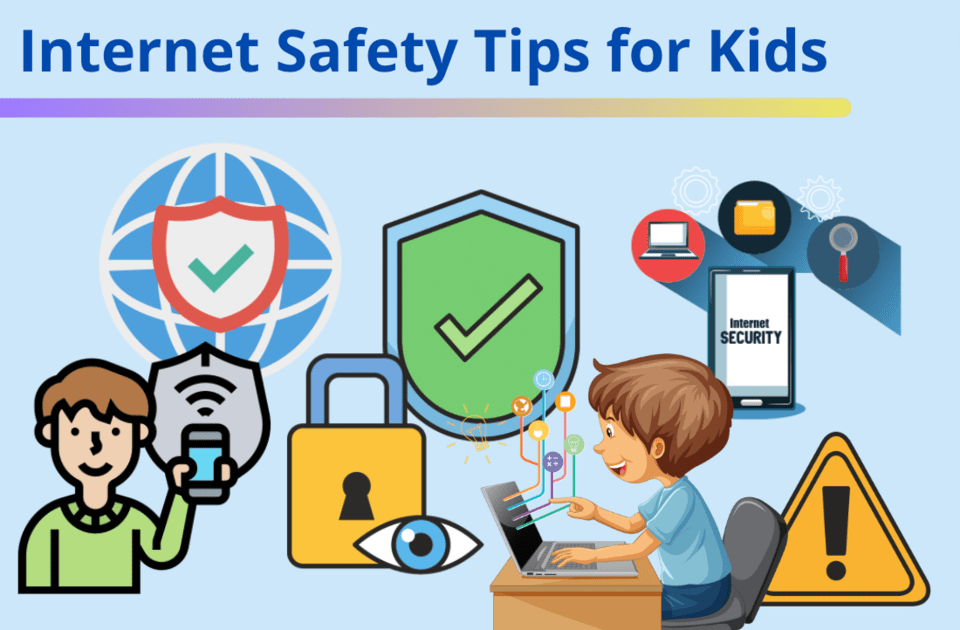
Schools, teachers, and technology experts are studying how online safety lessons help children use the internet wisely, making this a trending education and technology news story. As more students use the internet for learning, games, and communication, experts say understanding how to stay safe online is becoming just as important as learning math or reading.
Online safety lessons teach children how to protect their personal information. Scientists explain that details such as full names, addresses, passwords, and phone numbers should not be shared freely online. These lessons help children understand what information is private and why keeping it safe matters.
Teachers are also explaining how to behave kindly and responsibly on the internet. This includes being respectful in online chats, avoiding hurtful comments, and understanding that real people are behind screens. Experts say learning good online manners helps prevent problems like cyberbullying and misunderstandings.
Many schools now include internet safety as part of computer or life-skills classes. Students learn how to create strong passwords, recognize suspicious messages, and avoid unsafe websites. Scientists say practicing these skills early helps children feel more confident and secure online.
For kids, this news matters because the internet is part of everyday life. Children use it to attend classes, watch videos, play games, and talk to friends. Knowing how to stay safe helps them enjoy the internet without fear and avoid risky situations.
Online safety lessons also teach children what to do if something feels wrong. Teachers encourage students to talk to a trusted adult if they see or receive something uncomfortable online. Experts say knowing when to ask for help is a key part of staying safe.
Parents are also being included in online safety education. Schools share guides and tips with families so parents can support children at home. Simple steps like setting screen-time rules, using parental controls, and talking openly about online experiences can make a big difference.
Scientists say online safety education also helps children think critically. Students learn that not everything they see online is true. Understanding how to check information and avoid fake news helps children become smarter internet users.
Technology companies are working with educators to create child-friendly safety tools. These include filters, reporting buttons, and safe learning platforms designed especially for students. Experts say these tools work best when children know how and why to use them.
Teachers remind students that online safety is about balance, not fear. The internet is a powerful place for learning and creativity when used correctly. Online safety lessons are meant to guide children, not scare them.
Schools also teach students about digital footprints. Scientists explain that what people post online can stay there for a long time. Learning to think before posting helps children make good choices that protect their future.
Experts believe online safety education will continue to grow as technology becomes more advanced. New topics such as artificial intelligence, social media, and online gaming are being added to lessons to keep up with changing times.
The study of online safety lessons shows how education is adapting to the digital age. By learning how to use the internet wisely, children can stay safe, be kind, and make smart choices online. These skills help them become confident, responsible digital citizens ready for the future.