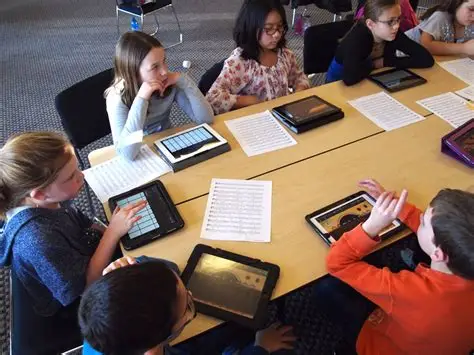
Schools, teachers, and education researchers are studying how tablets and e-books are changing homework habits for students, making this a trending education and technology news story. With more children using digital devices for learning, experts say homework is becoming more flexible, interactive, and easier to manage.
Tablets allow students to carry many books in one small device. Instead of heavy school bags filled with notebooks and textbooks, students can access lessons, worksheets, and reference materials on a single screen. Teachers explain that this makes it easier for children to organize their work and find what they need quickly.
E-books are digital versions of printed books. Scientists say e-books help students read anytime and anywhere, even during travel or at home without physical books. Many e-books include helpful tools such as highlighting text, adding notes, and searching for words, which support better understanding and study.
Homework has also become more interactive. Instead of writing answers only on paper, students may complete quizzes, watch short lesson videos, or solve problems using learning apps. Teachers say these activities can make homework more interesting and help students understand topics in different ways.
For kids, this news matters because homework can feel less stressful with digital tools. If a student forgets a book at school, it may still be available online. Tablets also allow students to replay explanations or review lessons if they did not understand something the first time.
Tablets can also support students who learn at different speeds. Some children need more time to practice, while others move ahead quickly. Digital homework allows students to work at their own pace, which helps build confidence and reduce pressure.
Teachers say digital homework makes it easier to give feedback. Students can receive corrections and suggestions quickly instead of waiting for the next school day. This helps children learn from mistakes while the lesson is still fresh in their minds.
Parents are learning how to support digital homework at home. Many schools guide families on setting screen-time limits and creating quiet study spaces. Experts say balancing device use with breaks, reading, and outdoor play is important for healthy learning.
However, researchers also point out challenges. Too much screen time can cause tired eyes and reduced focus. Schools are working to combine digital homework with written tasks, creative projects, and hands-on learning to keep education balanced.
Students are also being taught digital responsibility. They learn how to keep devices safe, avoid distractions, and use technology only for learning during homework time. These skills help children become disciplined and independent learners.
Technology companies are continuing to improve educational tablets and e-books. New features include interactive diagrams, built-in dictionaries, and tools that support students with reading difficulties. Scientists say these improvements can make learning more inclusive.
Experts believe digital homework will continue to grow, but traditional learning will still matter. Writing by hand, reading printed books, and discussing ideas in class remain important skills.
The study of tablets and e-books shows how education is adapting to modern life. When used wisely, digital tools can make homework easier, learning more engaging, and students more confident. By combining technology with good teaching and healthy habits, schools can help children learn better in a digital world.