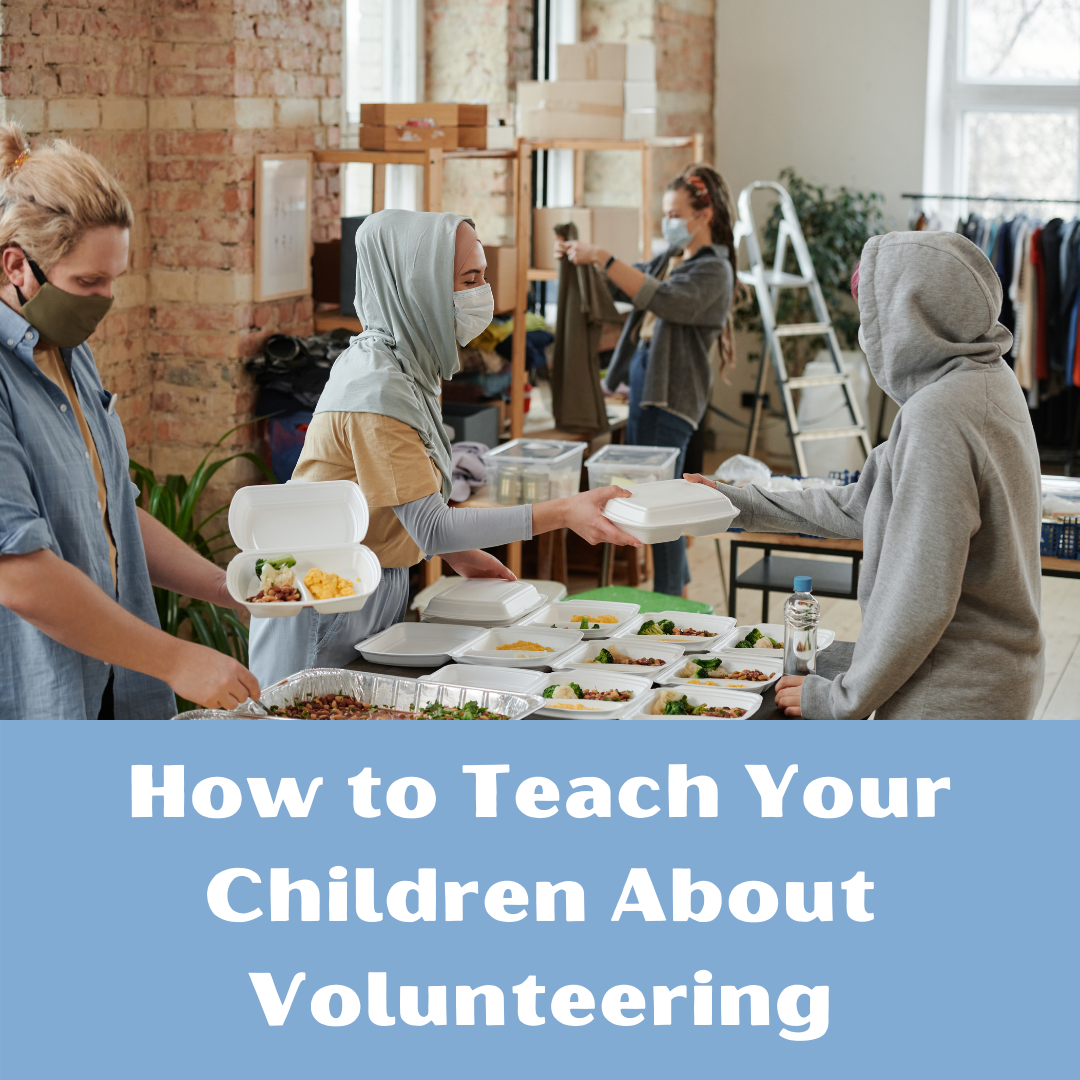
Child development experts, teachers, and community leaders are explaining how volunteering helps children learn kindness and responsibility, making this a trending community and social skills news story. Volunteering means giving time and effort to help others without expecting rewards, and experts say it can shape positive habits that last a lifetime.
Volunteering can take many forms. Children may help clean a park, collect books for a library, visit an animal shelter, or support a food drive. Experts explain that these activities help children understand the needs of others and see how small actions can make a big difference.
Scientists say volunteering builds empathy. When children help people or animals, they begin to understand different feelings and situations. This helps them become more caring and patient. Learning to notice when others need help is an important social skill.
Volunteering also teaches responsibility. Showing up on time, following instructions, and completing tasks help children learn to be dependable. Teachers say these skills are useful in school, at home, and later in life. Children feel proud when they know others are counting on them.
For kids, this news matters because volunteering helps them feel connected to their community. Helping others can boost confidence and happiness. Experts explain that doing good things releases positive feelings in the brain, making children feel satisfied and motivated.
Volunteering can also help children learn teamwork. Many activities are done in groups, where children must listen, share ideas, and work together. Scientists say teamwork skills help children make friends and solve problems peacefully.
Schools often encourage volunteering through community projects and service days. Some classes choose a cause and work together over time. These projects help students learn about real-world issues while practicing kindness and cooperation.
Parents play an important role by volunteering with their children. Doing activities together helps families talk about values like helping, sharing, and respect. Experts say family volunteering strengthens bonds and makes learning meaningful.
Community leaders explain that volunteering does not have to be big or difficult. Simple actions, such as helping a neighbor, recycling, or caring for plants, also count. What matters most is the intention to help.
Children also learn gratitude through volunteering. Seeing how others live helps children appreciate what they have. Scientists say gratitude supports emotional health and positive thinking.
Experts remind families to choose age-appropriate activities. Children should feel safe and supported while volunteering. When children enjoy the activity, they are more likely to continue helping others as they grow.
The study of volunteering shows how caring actions help children grow into thoughtful and responsible people. By volunteering, children learn kindness, teamwork, and respect for their community. These lessons help build a more caring world, one helpful act at a time.