Psychologists, teachers, and child experts are explaining how learning to name feelings helps children manage their emotions better, making this a trending psychology and emotions news story. Emotions are feelings such as happiness, anger, sadness, excitement, or fear, and experts say understanding them is an important life skill.
Children experience many emotions every day, but they may not always know how to describe them. Scientists explain that when children learn the names of feelings, it becomes easier for them to understand what is happening inside their minds and bodies. Saying “I feel angry” or “I feel worried” is the first step toward solving a problem.
Naming feelings helps calm the brain. Psychologists say that when emotions are clearly identified, the brain’s thinking part becomes more active. This can reduce strong emotional reactions like shouting, crying, or shutting down. Understanding feelings helps children pause and think before reacting.
Experts say naming emotions also improves communication. When children can explain how they feel, parents and teachers can help them more easily. Instead of guessing what is wrong, adults can listen and offer support. This builds trust and stronger relationships.
For kids, this news matters because emotions affect daily life at school and home. Understanding feelings can help children handle disagreements with friends, deal with disappointment, and enjoy happy moments more fully. Emotional skills help children feel more confident and in control.
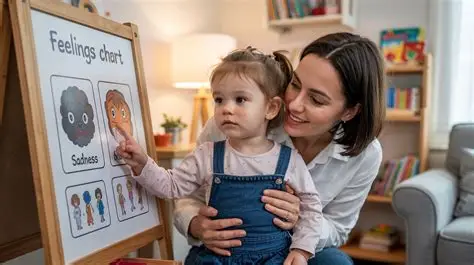
Schools are teaching emotional awareness through simple activities. Some classrooms use feeling charts, stories, or role-play to help children recognize emotions. Teachers say these lessons help create kinder and calmer classrooms where students feel safe sharing their thoughts.
Parents are encouraged to talk about feelings at home. Asking questions like “How did that make you feel?” helps children reflect and learn emotional words. Experts say listening without judging is important so children feel comfortable opening up.
Naming feelings also helps children learn empathy. When they understand their own emotions, they become better at noticing how others feel. This helps children show kindness, patience, and respect toward friends and family members.
Psychologists explain that all emotions are normal. Feeling angry or sad does not mean something is wrong. What matters is learning how to handle emotions in healthy ways. Naming feelings helps children understand that emotions come and go.
Experts also say emotional skills support learning. Children who can manage emotions are often better able to focus, solve problems, and work in groups. Emotional balance supports both academic success and happiness.
Health professionals note that emotional awareness supports mental health. Children who can express feelings are less likely to keep worries inside. Talking about emotions helps reduce stress and builds resilience.
The study of emotional awareness shows that understanding feelings is just as important as learning numbers or letters. By learning to name emotions, children gain tools to handle challenges, build strong relationships, and feel more confident. Emotional understanding helps children grow into thoughtful, caring, and emotionally healthy individuals.