Scientists and environmental experts are explaining how recycling helps save natural resources, making this a trending science and everyday life news story. Recycling means turning used items like paper, plastic, glass, and metal into new products, and experts say this simple habit helps protect the Earth in many ways.
When people recycle, fewer new materials need to be taken from nature. Scientists explain that making paper from recycled paper saves trees, while recycling metal saves minerals that are dug from the ground. This helps protect forests, mountains, and habitats where animals live.
Recycling also saves energy. Creating products from recycled materials usually uses less energy than making them from raw materials. For example, recycling aluminum cans uses much less energy than producing new ones from metal ore. Scientists say saving energy helps reduce pollution and keeps the air cleaner.
Another benefit of recycling is reducing waste. When items are recycled, less trash ends up in landfills. Landfills are places where garbage is buried, and they can take up a lot of space and produce harmful gases. Recycling helps keep neighborhoods cleaner and reduces bad smells and pollution.
For kids, this news matters because recycling is something they can do every day. Putting paper, bottles, and cans into the correct bins helps the environment. Learning what can and cannot be recycled teaches responsibility and care for shared spaces.
Schools are teaching students about recycling through projects and activities. Some schools set up recycling stations and ask students to help sort waste. Teachers say these activities help children understand how their actions affect the planet.
Recycling also helps protect animals. Plastic waste can harm animals if it ends up in rivers, oceans, or forests. Scientists explain that recycling plastic reduces the chance of animals getting hurt by trash.
Families can help recycling at home by separating waste, washing containers, and using reusable bags. Experts say talking about recycling together helps children understand why it is important, not just how to do it.
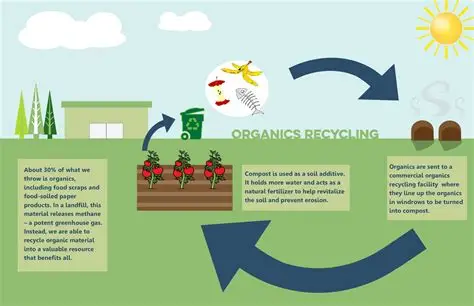
Scientists are also finding new ways to recycle more materials. Some researchers are developing methods to recycle old clothes, electronics, and even food waste. These new ideas help reduce waste even further.
Recycling teaches an important lesson about reuse. Instead of throwing things away quickly, people can think about how items can be used again. This helps reduce unnecessary waste and supports a cleaner planet.
Experts say recycling works best when everyone takes part. When many people recycle together, the positive effects are much bigger. Communities become cleaner and more environmentally friendly.
The study of recycling shows that small actions can have big results. By recycling regularly, children and adults help save natural resources, reduce pollution, and protect animals. Learning to recycle helps children understand that caring for the Earth starts with simple choices made every day.