Art teachers, child development experts, and psychologists are explaining how drawing and painting help children express their feelings, making this a meaningful art and creativity news story for kids. Art is not only about making beautiful pictures; experts say it is also a powerful way for children to share thoughts and emotions that may be hard to explain with words.
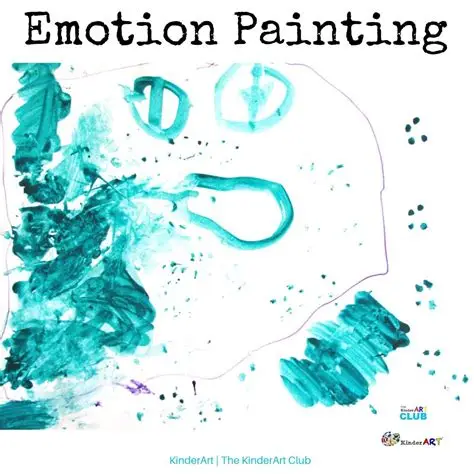
Children often feel many emotions such as happiness, anger, excitement, or sadness. Scientists explain that young children may not always have the right words to describe how they feel. Drawing and painting allow them to show emotions using colors, shapes, and lines. A bright picture may show joy, while darker colors may show worry or sadness.
Art activities help children relax. Experts say focusing on drawing or painting calms the mind and reduces stress. When children sit quietly and create art, their breathing slows and their bodies feel more relaxed. This is especially helpful after a busy school day.
For kids, this news matters because art gives them a safe way to express themselves. There is no right or wrong in art. Children can draw what they imagine or feel without fear of making mistakes. This builds confidence and self-esteem.
Teachers use art in classrooms to support emotional learning. Some teachers ask students to draw how their day was or paint their favorite memory. These activities help teachers understand how students are feeling and support them better.
Art also improves creativity and thinking skills. When children decide what to draw or paint, they use imagination and problem-solving. Experts say creativity helps children think in new ways and find solutions in daily life.
Painting and drawing also improve motor skills. Holding crayons, brushes, or pencils strengthens hand muscles and improves coordination. Scientists explain that these skills are important for writing and other school activities.
Parents are encouraged to support art at home. Providing paper, colors, and time to create helps children feel free to explore ideas. Experts say parents should praise effort, not perfection, to keep art enjoyable.
Art can also help children communicate with others. When children talk about their artwork, they learn to describe ideas and feelings. This improves language skills and emotional understanding.
Psychologists explain that art can help children cope with difficult experiences. Drawing can help children release emotions they may feel shy or scared to talk about. This makes art a helpful tool for emotional health.
Schools and communities often organize art days, exhibitions, and creative corners. These events encourage children to share their artwork proudly and respect others’ creations.
The study of art and emotions shows that creativity supports healthy growth. By drawing and painting, children learn to understand themselves better and express feelings in positive ways. Art helps children feel heard, calm, and confident, reminding everyone that creativity is an important part of a happy and balanced childhood.