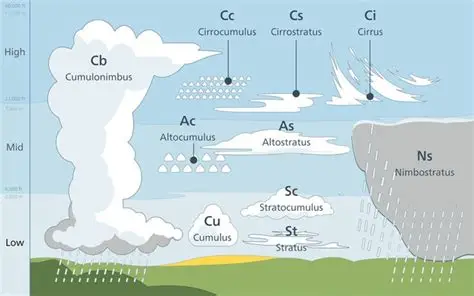
Meteorologists and weather scientists are explaining how clouds help predict weather changes, making this a fresh weather and natural science news story for children. Clouds may look soft and fluffy, but experts say they carry important clues about what kind of weather is coming next.
Clouds form when warm air rises and cools, causing tiny water droplets or ice crystals to gather in the sky. Scientists explain that different types of clouds form at different heights and temperatures. By studying cloud shapes, sizes, and movement, meteorologists can understand what is happening in the atmosphere.
Some clouds are light and thin, while others are dark and heavy. For example, white and fluffy clouds often mean fair weather. Tall, dark clouds can signal rain or storms. Experts say that observing clouds helps predict rain, thunderstorms, or even snow.
Clouds also help control Earth’s temperature. During the day, clouds can block sunlight and keep places cooler. At night, clouds act like blankets, trapping heat and keeping temperatures warmer. Scientists explain that clouds play an important role in balancing the planet’s climate.
For kids, this news matters because weather affects daily life. Cloudy skies can change plans for outdoor games, school activities, or travel. Learning about clouds helps children understand why weather changes and how forecasts are made.
Meteorologists use satellites, weather balloons, and radar to study clouds from above. These tools help scientists see cloud movement across large areas. By tracking clouds, experts can warn people about storms and help keep communities safe.
Schools teach children about clouds through science lessons and sky-watching activities. Some students keep weather journals, drawing clouds and writing what happens later in the day. These activities help children learn observation skills and curiosity.
Clouds also help the water cycle. Scientists explain that clouds collect water and release it as rain or snow. This water helps plants grow, fills rivers and lakes, and supports all living things. Without clouds, Earth would be very dry.
Children often enjoy spotting shapes in clouds, which makes learning fun. Teachers say combining imagination with science helps students stay interested and engaged. Clouds show that science can be both educational and enjoyable.
Experts remind everyone that clouds are always moving and changing. Wind speed and direction affect where clouds travel and how weather develops. This constant movement is why weather can change quickly.
Meteorologists continue to study clouds to improve weather forecasts. Better predictions help farmers, pilots, sailors, and families plan their activities safely.
The study of clouds shows that the sky is full of information. By learning how clouds work, children can understand weather patterns and appreciate nature’s signals. Clouds remind us that even everyday sights above our heads play a big role in shaping weather and life on Earth.