Scientists and science teachers are explaining how magnets are used in everyday life, making this an interesting science and everyday technology news story for children. Magnets may look small and simple, but experts say they play a big role in many tools and machines people use every day.
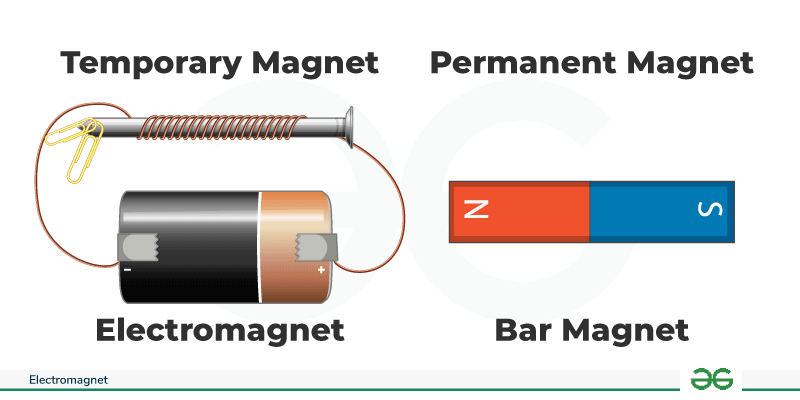
A magnet is an object that can pull certain metals, such as iron, toward itself. Scientists explain that magnets have two ends called poles, known as north and south. When similar poles meet, they push away from each other, and when opposite poles meet, they pull together. This special force is called magnetism.
Magnets are found in many common household items. For example, refrigerator magnets help hold notes and drawings in place. Door locks, cupboard catches, and even pencil boxes often use magnets to stay closed. Experts say these small uses make daily life more convenient.
Magnets are also important in technology. Scientists explain that speakers and headphones use magnets to produce sound. Inside these devices, magnets help turn electrical energy into vibrations that create music and voices. Without magnets, many electronic devices would not work properly.
For kids, this news matters because magnets make science fun and easy to explore. Children often enjoy experimenting with magnets by seeing what sticks and what does not. These simple experiments help them learn about forces and materials in an exciting way.
Magnets are also used in transportation. Trains, especially high-speed trains in some countries, use powerful magnets to move smoothly and quickly. Experts explain that magnets help reduce friction, making travel faster and more energy-efficient.
In schools, teachers use magnets to explain science concepts. Students learn about attraction, repulsion, and invisible forces. These lessons help children understand that not all forces can be seen, but they can still have strong effects.
Magnets are helpful in recycling too. Recycling centers use large magnets to separate metal waste from other materials. Scientists say this makes recycling faster and helps reuse valuable metals, which protects the environment.
Doctors and scientists also use magnets in medicine. Special machines use strong magnets to help doctors see inside the human body and find problems. Experts say this technology helps keep people healthy.
Parents encourage children to play safely with magnets. Small magnets should not be put in the mouth, and children should always use them under supervision. Safety helps make learning enjoyable and secure.
Scientists say magnets show how science is part of everyday life. From toys and tools to transport and medicine, magnets quietly help many things work smoothly.
The study of magnets helps children understand how science connects to the real world. By learning about magnets, children discover that even small objects can have powerful uses. Magnets remind everyone that science is not only found in books or labs but also in the simple things we use every day.