Doctors and health experts are explaining why washing hands properly is one of the best ways to keep germs away, making this an important health and hygiene news story for children. Handwashing is a simple daily habit, but experts say it plays a big role in keeping people healthy and preventing illness.
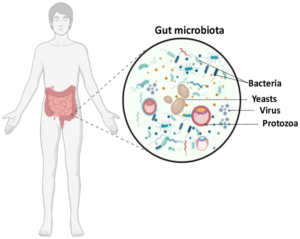
Germs are tiny living things that cannot be seen with the naked eye. Scientists explain that germs live on many surfaces, such as door handles, desks, toys, and phones. When children touch these surfaces and then touch their face or food, germs can enter the body and cause sickness.
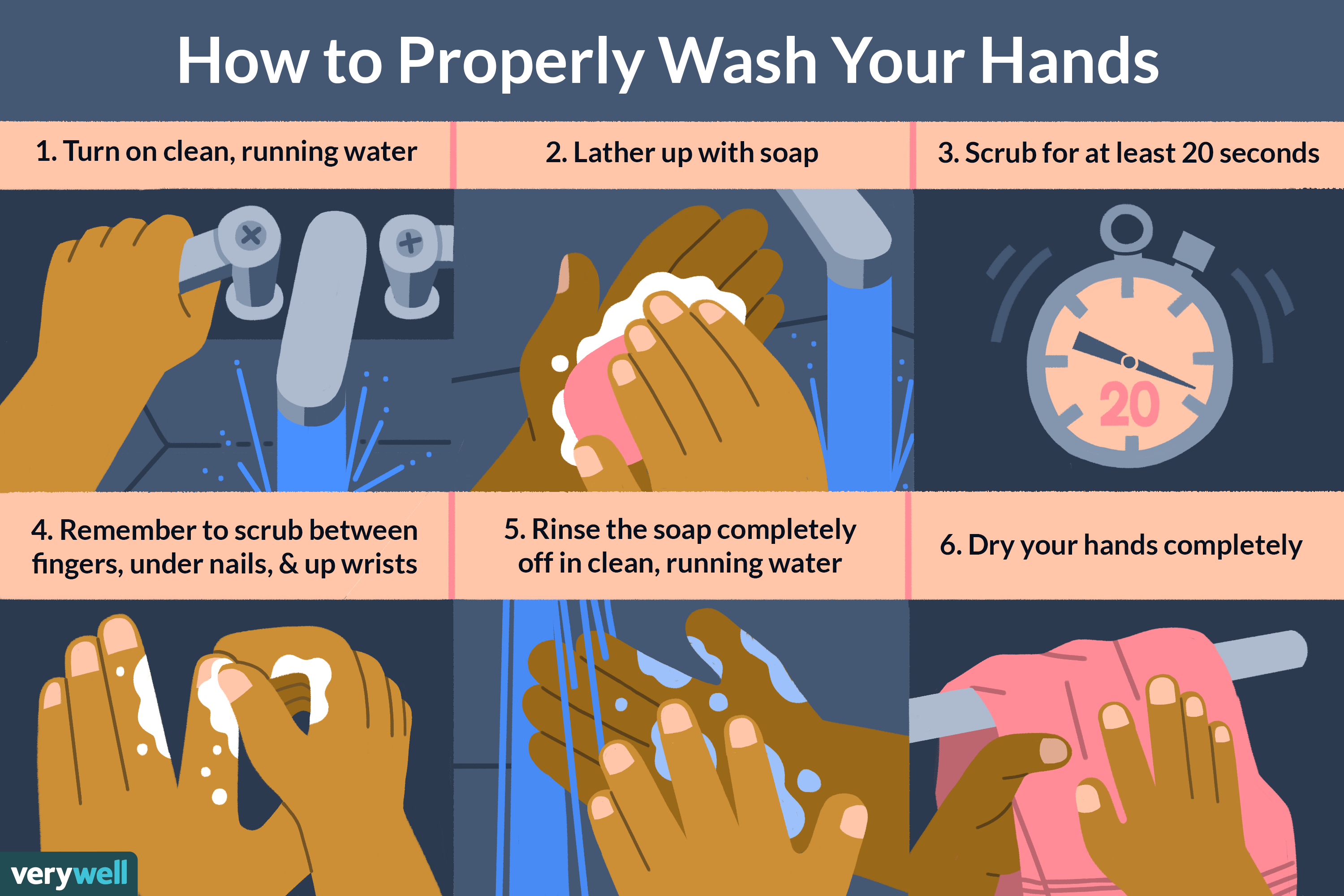
Washing hands with soap and water helps remove germs. Soap breaks down the dirt and germs on the skin, and water washes them away. Doctors say washing hands for at least 20 seconds is important to make sure germs are properly cleaned off.
Health experts recommend washing hands at key times. These include before eating, after using the toilet, after playing outside, after coughing or sneezing, and after touching pets. Following these steps helps reduce the spread of germs at home and school.
For kids, this news matters because handwashing helps them stay active and attend school regularly. Fewer germs mean fewer stomach aches, colds, and infections. Clean hands help children feel better and stronger every day.
Schools teach children proper handwashing techniques through demonstrations and posters. Teachers show students how to scrub palms, backs of hands, between fingers, and under nails. These lessons make hygiene fun and easy to remember.
Parents encourage handwashing at home by making it part of daily routines. Singing a short song while washing hands helps children wash for the right amount of time. Experts say turning handwashing into a habit makes it automatic.
Doctors also explain that when soap and water are not available, hand sanitizers can help. However, sanitizers do not remove dirt and should not fully replace handwashing. Washing with soap and water works best.
Handwashing also protects others. When children wash their hands, they stop germs from spreading to friends, teachers, and family members. Experts say this shows care and responsibility toward the community.
Health researchers continue to study hygiene habits and their impact on public health. Studies show that regular handwashing reduces the spread of many common illnesses.
Doctors remind children that clean hands are part of being healthy, just like eating well and exercising. Good hygiene habits learned early often last a lifetime.
The study of hand hygiene shows that small actions can have big benefits. By washing hands properly, children protect themselves and others from germs. This simple habit helps create healthier schools, homes, and communities, proving that staying clean is a powerful way to stay safe.