Category: Science & Sound
Home > World News > Science > Kids Edition > Scientists Explain How Sound Travels and Helps Us Hear
Scientists and sound experts are explaining how sound travels and helps us hear, making this an interesting science and sound news story for children. Sound is all around us—from voices and music to birds chirping—and experts say understanding sound helps children learn how the world communicates.
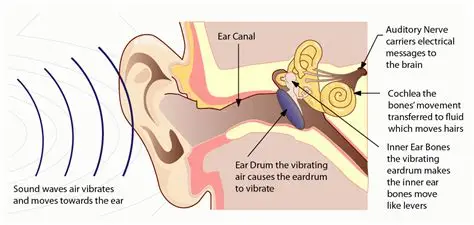
Sound is made when something vibrates. Scientists explain that when an object vibrates, it creates sound waves that move through the air. For example, when a drum is hit, it vibrates and sends sound waves into the air. These waves travel to our ears and allow us to hear the sound.
Sound needs a medium to travel. This means it moves through air, water, or solid objects, but not through empty space. Experts say this is why there is no sound in outer space, where there is no air. Sound travels fastest through solids, slower through liquids, and slowest through air.
Our ears help us hear sound. Scientists explain that when sound waves reach the ear, they cause tiny parts inside the ear to move. These movements are sent as signals to the brain, which understands them as sound. This happens very quickly, allowing us to hear almost instantly.
For kids, this news matters because sound is part of daily life. Listening to teachers, talking with friends, enjoying music, and hearing warning sounds like horns all depend on sound. Understanding how sound works helps children appreciate how their senses protect and guide them.
Different sounds have different pitches and volumes. Pitch means how high or low a sound is, while volume means how loud or soft it is. Experts explain that a whistle makes a high-pitched sound, while a drum makes a low-pitched sound.
Sound can also bounce. When sound waves hit a hard surface and return, it creates an echo. Scientists say echoes help bats and dolphins find their way, and people sometimes hear echoes in mountains or empty rooms.
Schools teach children about sound through experiments, such as using strings, bells, or tuning forks. These activities make science fun and easy to understand.
Experts remind children to protect their ears. Very loud sounds can damage hearing. Listening to music at safe levels and avoiding loud noise helps keep ears healthy.
Sound is also important in communication. Humans use sound to share ideas, feelings, and information. Animals use sound to warn, find food, or talk to each other.
Scientists continue to study sound to improve technology like hearing aids, speakers, and communication systems. These inventions help people hear better and stay connected.
The study of sound shows how invisible waves shape everyday life. By learning how sound travels and how hearing works, children gain a better understanding of science and their own senses. Sound helps people connect, learn, and stay safe, making it an important part of the world around us.