Category: Science & Human Body
Home > World News > Science > Kids Edition > Scientists Explain How the Brain Helps Children Think, Learn, and Remember
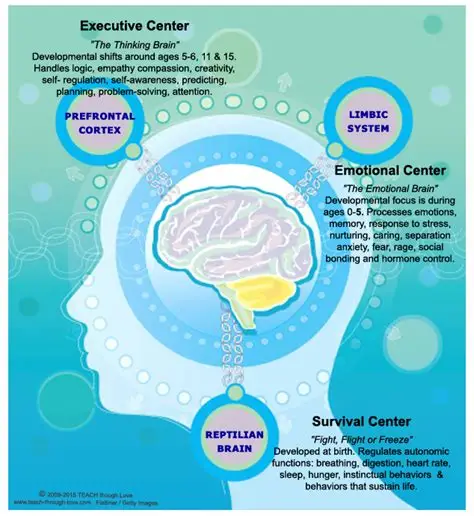
Scientists and health researchers are explaining how the brain helps children think, learn, and remember, making this an interesting science and human body news story for kids. The brain is the body’s control center, and experts say it works nonstop to help children move, feel, understand, and grow.
The brain sends and receives messages through the nervous system. Scientists explain that these messages travel like tiny electrical signals, telling the body what to do. When children walk, talk, read, or play, the brain is guiding every action.
Learning happens in the brain. When children study something new, such as math or a story, the brain creates connections between cells called neurons. Experts say the more children practice and revise, the stronger these connections become. This is how learning and memory improve over time.
Memory is another important job of the brain. Scientists explain that the brain stores information like a library. Short-term memory helps remember things for a short time, such as instructions in class, while long-term memory stores important information like names, skills, and experiences.
For kids, this news matters because understanding the brain helps them learn better. Knowing that practice strengthens the brain encourages children to keep trying, even when something feels difficult. Mistakes help the brain learn and grow.
The brain also controls emotions. Feelings like happiness, fear, anger, and excitement come from different parts of the brain. Experts say learning to manage emotions helps children make better decisions and feel calmer in challenging situations.
Sleep plays a big role in brain health. Scientists explain that during sleep, the brain rests and organizes what was learned during the day. Children who get enough sleep often concentrate better and remember lessons more easily.
Healthy food also helps the brain. Foods like fruits, vegetables, nuts, and whole grains provide energy and nutrients the brain needs. Drinking enough water keeps the brain alert and active.
Exercise is good for the brain too. Running, playing, and moving increase blood flow to the brain. Experts say physical activity helps improve focus, mood, and memory.
Schools teach children about the brain through science lessons and activities. Simple experiments, puzzles, and games help children understand how thinking and problem-solving work.
Parents and teachers encourage brain-friendly habits, such as reading, asking questions, and trying new activities. These habits keep the brain active and curious.
Scientists continue to study the brain to learn how it grows and changes. Research shows that the brain can keep learning throughout life, especially when it is challenged in healthy ways.
The study of the brain shows how amazing the human body is. By understanding how the brain works, children can learn better, manage emotions, and stay curious. The brain helps children explore the world, solve problems, and build skills that support learning today and success in the future.