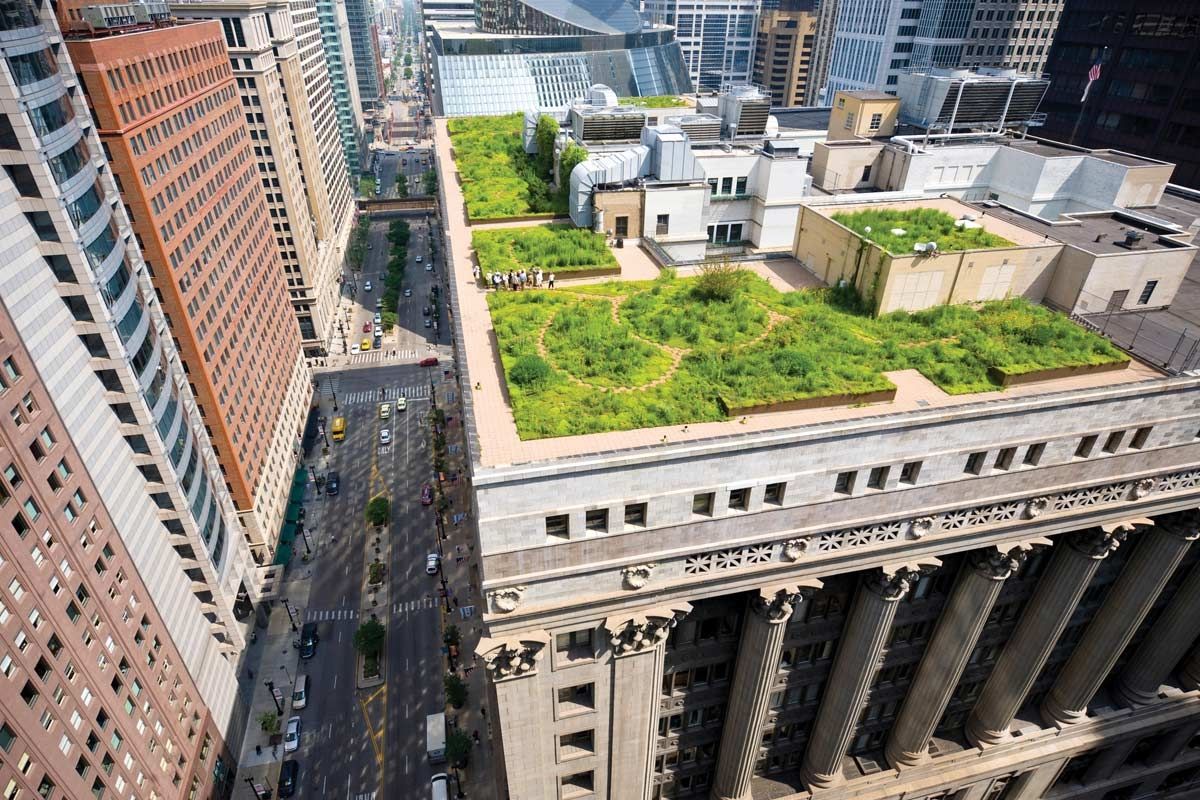
Urban planners and environmental experts are building green roofs in cities to reduce heat and pollution, making this an important environment and sustainability news story for children. Green roofs are rooftops covered with plants, grass, and sometimes small trees instead of plain concrete.
Cities are often warmer than nearby rural areas. Scientists explain that buildings and roads absorb heat from the sun and release it slowly, causing higher temperatures. This is known as the “urban heat island” effect. Green roofs help reduce this heat by covering buildings with cooling plants.
Plants on rooftops absorb sunlight and use it for photosynthesis. They also release moisture into the air, which helps cool the surrounding environment. Experts say this natural cooling process lowers building temperatures and reduces the need for air conditioning.
For children, this news matters because cooler cities mean healthier living spaces. High temperatures can cause discomfort and health problems. Green roofs help improve air quality and make cities more pleasant.
Green roofs also reduce pollution. Plants absorb carbon dioxide and trap dust particles from the air. Scientists say this improves the quality of air that people breathe.
Another benefit of green roofs is rainwater management. During heavy rain, rooftops usually allow water to flow quickly into drains. Green roofs absorb some of this water, reducing flooding and pressure on drainage systems.
Urban planners explain that green roofs also create habitats for birds and insects. Even small rooftop gardens can support butterflies and bees.
Schools and community centers are installing green roofs to teach students about sustainability. Children can observe plant growth and learn about environmental science firsthand.
Experts say green roofs must be carefully designed. Buildings need strong structures to support the weight of soil and plants. Proper drainage systems ensure the roof remains safe and functional.
Many cities are offering incentives to encourage green roof construction. Governments see them as long-term investments in climate adaptation.
Parents and teachers encourage children to learn about sustainable solutions. Even small balcony gardens contribute to greener living.
Scientists continue researching how green infrastructure can help cities handle rising temperatures caused by climate change.
The development of green roofs shows how simple ideas can improve urban life. By combining nature with architecture, cities can reduce heat, manage water, and improve air quality. Learning about green roofs teaches children that environmental solutions can be creative, practical, and beneficial for both people and the planet.