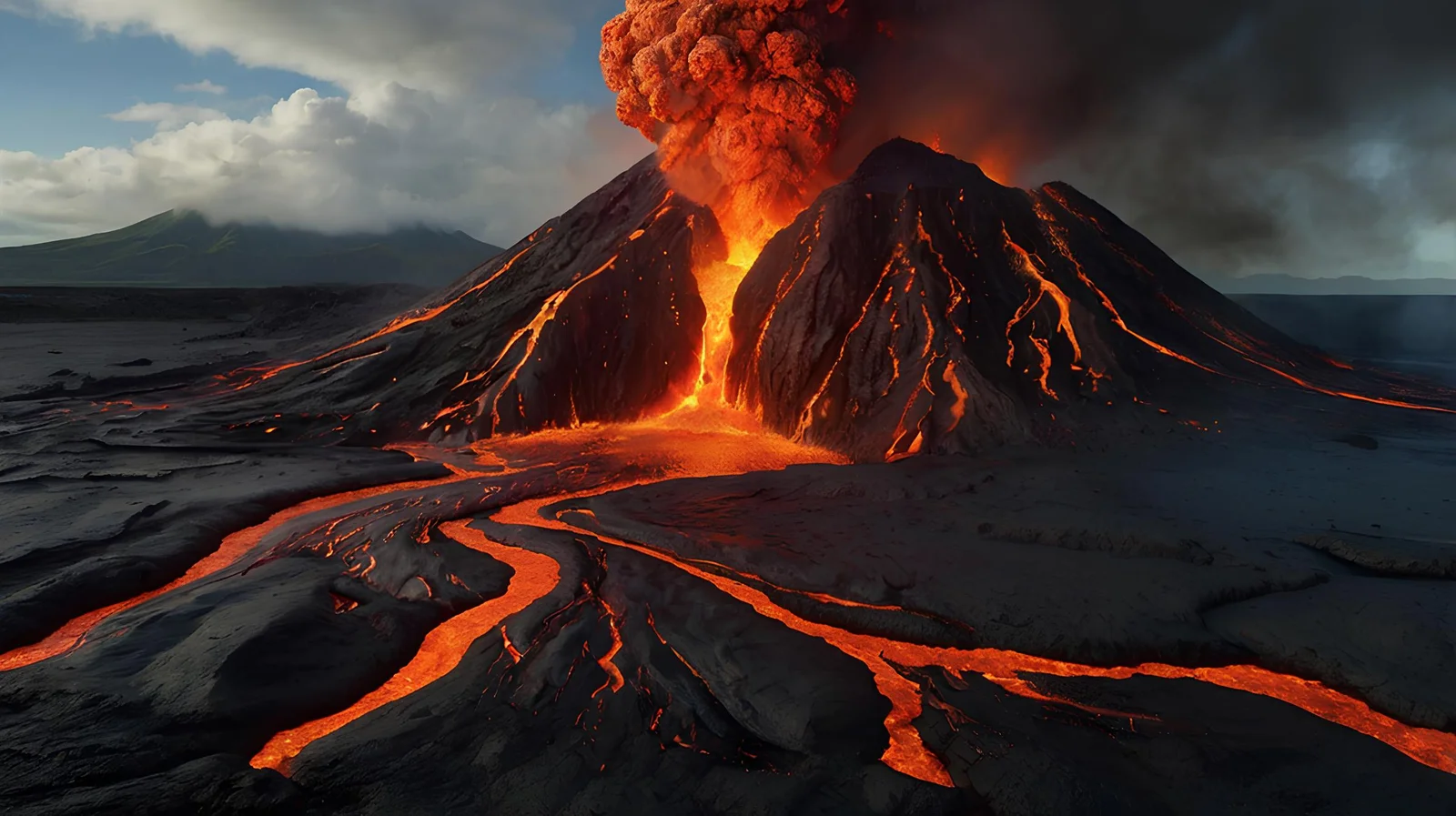
Geologists and earth scientists are studying volcanoes to better understand the powerful forces beneath Earth’s surface, making this an important science and earth news story for children. Volcanoes are openings in the Earth’s crust where molten rock, ash, and gases can escape. Experts say these natural events help shape our planet.
A volcano forms when magma, which is hot melted rock inside the Earth, rises toward the surface. Scientists explain that Earth’s outer layer is made of large pieces called tectonic plates. When these plates move or collide, pressure builds up underground. Sometimes this pressure forces magma upward, leading to a volcanic eruption.
There are different types of volcanoes. Some erupt with explosive force, sending ash high into the sky. Others release lava slowly, allowing it to flow gently down the sides. Experts carefully monitor volcanoes to understand their behavior and predict eruptions.
For children, this news matters because volcanoes show how active and dynamic Earth is. While eruptions can be dangerous, studying them helps scientists warn communities early and reduce risks.
Volcanic eruptions can change landscapes. Lava cools and hardens into new rock, creating mountains and islands. Scientists explain that many islands around the world were formed by volcanic activity over millions of years.
Volcanoes also release gases like carbon dioxide and water vapor. While these gases can be harmful in large amounts, they have also played a role in shaping Earth’s atmosphere over time.
Geologists use tools such as seismographs to detect small earthquakes that often happen before eruptions. Satellites help track changes in the volcano’s shape and temperature. These technologies improve safety and preparedness.
Schools teach students about volcanoes through models and experiments. Simple demonstrations using baking soda and vinegar show how pressure builds and causes eruptions, helping children understand scientific concepts.
Experts remind children that volcanoes are part of Earth’s natural processes. Respecting warning signs and listening to authorities is important in volcanic regions.
Studying volcanoes also helps scientists learn about other planets. For example, researchers examine volcanic features on Mars to understand its geological history.
Volcanoes can also create fertile soil. After eruptions, minerals in volcanic ash enrich the ground, helping plants grow. Many farming communities benefit from this nutrient-rich soil.
The study of volcanoes shows how Earth constantly changes and evolves. By understanding volcanic activity, scientists protect communities and expand knowledge about the planet.
Learning about volcanoes teaches children that nature is powerful but also fascinating. Through science and observation, humans can better understand Earth’s forces and live safely alongside them.