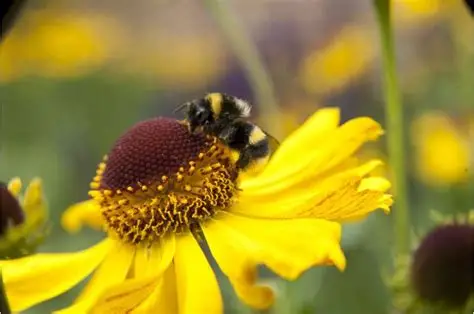
Scientists and environmental researchers are studying bees to better understand their role in pollination and food production, making this an important science and environment news story for children. Bees are small insects, but experts say they have a huge impact on plants and agriculture.
Bees help plants grow by carrying pollen from one flower to another. This process, called pollination, allows plants to produce fruits and seeds. Scientists explain that many crops, including apples, almonds, and berries, depend on bee pollination.
However, bee populations have declined in recent years. Experts say habitat loss, pollution, pesticides, and climate change are major reasons. When flowers and natural habitats disappear, bees struggle to find food.
For children, this news matters because bees help produce many foods they eat daily. Without bees, some fruits and vegetables would become scarce or more expensive.
Researchers are creating bee-friendly environments by planting wildflowers and reducing pesticide use. Some farmers are introducing beehives near crops to support pollination.
Scientists also study bee behavior and health. They monitor hive conditions, track bee movements, and examine disease risks.
Schools teach students about pollinators through gardening projects. Children learn how planting flowers can support bees and other helpful insects.
Experts say urban areas can also become safe habitats. Balcony gardens and community parks with flowering plants provide food sources for bees.
Protecting bees also supports biodiversity. Many plants and animals depend on healthy ecosystems where pollination occurs naturally.
Governments and environmental groups are creating awareness campaigns to protect pollinators. Simple steps like avoiding harmful chemicals and planting native plants make a difference.
Scientists emphasize that bees are indicators of environmental health. When bee populations thrive, ecosystems are usually balanced.
Research continues to explore new ways to protect bee colonies and strengthen food security.
The study of bees highlights the connection between insects, plants, and human life. By protecting pollinators, communities safeguard food supplies and natural habitats.
Learning about bees teaches children that even small creatures play a vital role in sustaining life on Earth.