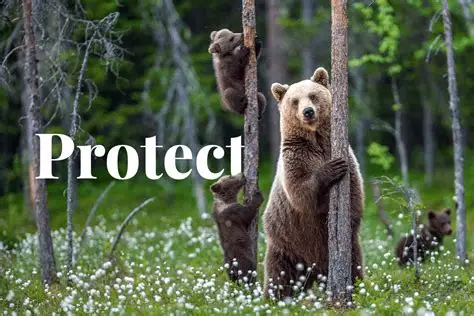
In a major step toward environmental protection, authorities have announced the expansion of protected forest areas to safeguard wildlife habitats. The move has been welcomed by conservationists and environmental experts, making this an important environment and wildlife conservation news story.
Protected forest areas are regions where human activities such as construction, logging, and hunting are restricted. These areas are designed to preserve natural ecosystems and protect endangered species. By expanding protected zones, governments aim to strengthen biodiversity and maintain ecological balance.
Experts explain that forests are home to countless species of animals, birds, insects, and plants. Many endangered species depend entirely on these habitats for survival. Expanding protected areas reduces habitat loss, which is one of the biggest threats to wildlife.
For children, this news matters because forests play a key role in maintaining clean air, water cycles, and climate balance. Trees absorb carbon dioxide and release oxygen, making forests essential for life on Earth.
The expansion plan includes stricter monitoring systems, anti-poaching patrols, and community involvement programs. Authorities have also emphasized the importance of educating local communities about sustainable living practices.
Conservation groups highlight that protected forests not only safeguard wildlife but also support eco-tourism and research opportunities. Responsible tourism can generate income while preserving nature.
Schools are encouraging students to learn about biodiversity and participate in tree-planting activities. Environmental education helps young learners understand the importance of conservation.
Experts say that climate change makes forest protection even more critical. Healthy forests act as carbon sinks, reducing greenhouse gases in the atmosphere.
Local communities living near forest areas are being involved in conservation efforts through awareness programs and sustainable livelihood initiatives.
Environmental scientists continue to study forest ecosystems to better understand how to protect them effectively.
The expansion of protected forest areas demonstrates a commitment to environmental sustainability. By preserving natural habitats, authorities aim to ensure that wildlife populations remain stable for future generations.
Learning about conservation efforts teaches children that protecting nature requires cooperation, responsibility, and long-term planning. Forest protection is a vital step toward a healthier and more sustainable planet.