Scientists and biomedical engineers are developing smart contact lenses that can monitor health conditions in real time, making this an exciting science and innovation news story. These advanced lenses look similar to regular contact lenses but are equipped with tiny sensors that can detect changes in the body.
Smart contact lenses are designed to measure certain health indicators, such as glucose levels in tears. Researchers explain that for people with diabetes, these lenses could help track blood sugar levels without frequent finger-prick tests.
The technology works by embedding microscopic electronic circuits inside soft, transparent lenses. These sensors collect data and send it wirelessly to a smartphone or medical device.
For children, this news matters because it shows how technology can make healthcare easier and less painful. Future medical devices may become smaller, smarter, and more comfortable.
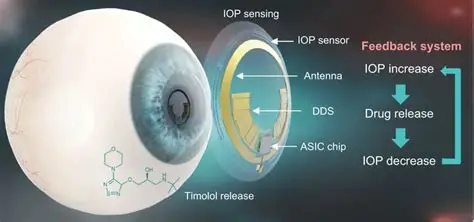
Scientists are also exploring how smart lenses could help monitor eye pressure in patients with glaucoma. Continuous monitoring may allow doctors to detect problems early.
Engineers ensure that the lenses remain safe and comfortable for daily use. Materials used in development are carefully tested to avoid irritation.
Researchers are still conducting clinical trials before making the lenses widely available.
Medical experts believe such innovations could improve long-term disease management and reduce hospital visits.
Schools teaching STEM subjects often use such examples to demonstrate how engineering and medicine work together.
Experts say wearable health technology is becoming more common, including smart watches and fitness trackers.
Smart contact lenses represent the next step in wearable medical devices.
Learning about biomedical innovation helps children understand how science improves everyday life.
As research continues, smart contact lenses may become an important tool in personalized healthcare, combining comfort, technology, and medical care in one small device.