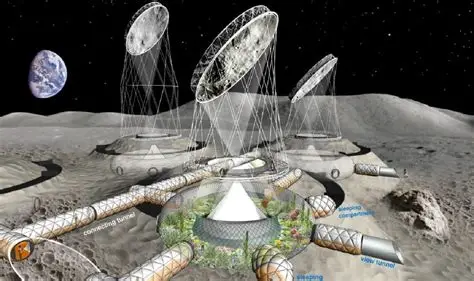
Scientists and aerospace engineers are developing inflatable space habitats that could be used in future Moon missions, making this an exciting technology and space exploration news story. These special habitats are designed to expand once they reach space, creating larger living and working areas for astronauts.
Traditional space modules are made of rigid metal structures, which are heavy and expensive to launch. Experts explain that inflatable habitats are lighter and take up less space inside rockets. Once in orbit or on the Moon’s surface, they can expand to provide more room.
The walls of these habitats are made from strong, flexible materials that can withstand extreme temperatures and radiation in space. Engineers carefully test them to ensure they are safe and durable.
For children, this news matters because space exploration helps scientists learn more about the universe. Future missions to the Moon may require astronauts to stay for longer periods, and comfortable habitats are essential.
Inflatable habitats also include life-support systems that provide oxygen, control temperature, and recycle water.
Space agencies are testing prototype modules in orbit to study their performance in microgravity.
Scientists believe these habitats could serve as research stations on the Moon or even Mars.
Schools often use such developments to inspire students to learn about engineering and astronomy.
Experts emphasize international cooperation in space research and exploration.
Researchers continue improving materials to make habitats more resistant to space conditions.
The development of inflatable space habitats shows how innovation supports long-term space missions.
Learning about space living teaches children how engineering and science work together.
By creating expandable habitats, scientists are preparing for the next era of human exploration beyond Earth.