Scientists and energy researchers are developing a special type of solar paint that can turn walls into electricity-generating surfaces, making this an exciting science and clean energy innovation news story. This new technology could allow homes and buildings to produce solar power without installing large solar panels.
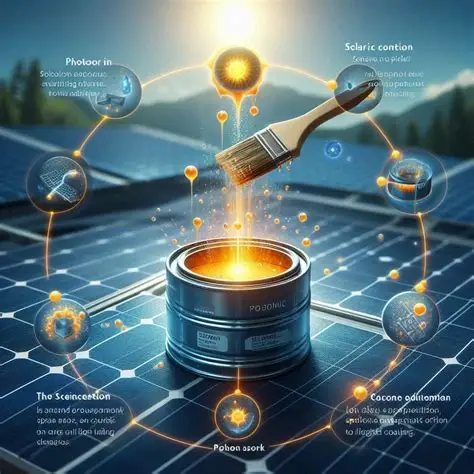
Solar paint contains tiny light-absorbing particles that capture energy from sunlight. Experts explain that when sunlight hits the painted surface, these particles create an electric current. The electricity can then be stored in batteries or used directly to power appliances.
Unlike traditional solar panels that are mounted on rooftops, solar paint can be applied to walls, fences, and even outdoor structures. This makes renewable energy more flexible and accessible.
For children, this news matters because clean energy helps protect the environment. Generating electricity from sunlight reduces pollution and decreases dependence on fossil fuels.
Researchers are currently testing the efficiency of solar paint to ensure it produces enough power for practical use. Although it does not yet generate as much electricity as conventional solar panels, scientists are working to improve its performance.
Some versions of solar paint can also absorb moisture from the air and use sunlight to split water molecules, producing hydrogen fuel. This could create new possibilities for clean energy storage.
Governments and universities are investing in renewable research to meet climate goals.
Schools often teach students about solar energy and sustainability, encouraging interest in green technology.
Experts emphasize that renewable energy solutions must be combined with energy-saving habits for maximum impact.
Scientists continue experimenting with new materials to make solar paint more durable and cost-effective.
The development of solar paint shows how innovation can transform everyday surfaces into energy sources.
Learning about renewable technologies teaches children how science can solve environmental challenges.
By turning simple walls into power generators, scientists are taking steps toward a future where clean energy is integrated into daily life in creative and sustainable ways.