Schools around the world are introducing makerspaces to encourage creativity, innovation, and problem-solving skills among students, making this an important education and innovation news story. Makerspaces are special areas within schools where students can design, build, and experiment with ideas using tools and technology.
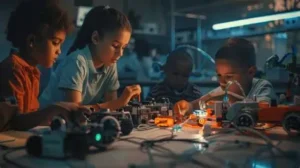
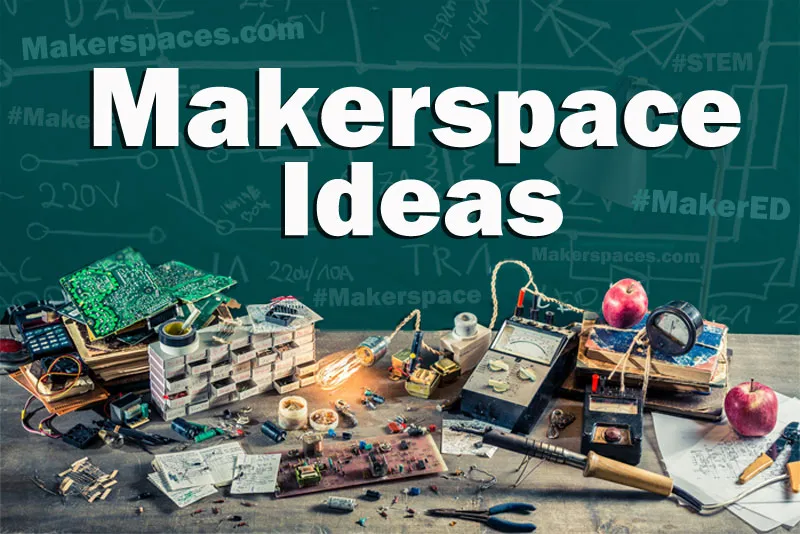
A makerspace may include items such as 3D printers, craft supplies, robotics kits, computers, and simple tools. Experts explain that these spaces allow students to learn by doing rather than only reading from textbooks.
Instead of memorizing information, students in makerspaces build models, design inventions, and test solutions to real-world problems. This hands-on approach helps develop critical thinking and creativity.
For children, this news matters because creative learning helps build confidence and practical skills. Students learn how to turn ideas into real objects and understand how things work.
Teachers guide students through projects such as building small robots, creating science models, or designing eco-friendly solutions. These activities combine science, technology, engineering, arts, and mathematics (STEAM).
Experts say makerspaces encourage teamwork and collaboration. Students work together, share ideas, and learn from mistakes.
Many schools are using makerspaces to promote innovation and entrepreneurship skills at an early age.
Researchers believe hands-on learning improves memory retention and problem-solving abilities.
Parents and educators say these spaces help children become independent learners.
Schools are also integrating sustainability projects, such as building solar-powered devices or recycling crafts.
Experts emphasize that makerspaces do not need expensive equipment; creativity and curiosity are the most important tools.
Governments and education organizations are supporting innovation-based learning environments.
The introduction of makerspaces shows how education is evolving to prepare students for future careers.
Learning through creativity teaches children to explore, experiment, and think independently.
By encouraging invention and imagination, makerspaces are helping students develop skills that will be valuable in the future world of science, technology, and innovation.